

As pets owners, it’s common to come across mats in our furry friends’ coats, especially if they have long or curly fur. Many people assume that mats, or tangles in their pet’s fur, are merely a cosmetic issue.
However, mats can have serious implications for a pet’s health, comfort, and overall quality of life. Understanding the importance of removing mats, preventing them, and choosing the right tools for grooming is vital to ensuring that your pet remains healthy and happy.
This article will dive into the reasons why mat removal is essential, the potential risks of neglecting this process, and how to prevent mats from forming.
What Are Mats and How Do They Form?
Mats are tightly knotted clumps of hair that form in a pet’s coat, often as a result of loose fur becoming tangled in longer hair. These tangles can worsen over time as more hair gets trapped, especially if the coat is not regularly brushed.
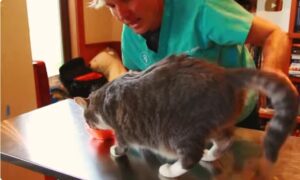
Factors like the type of coat, activity level, and even the pet’s lifestyle play a significant role in the formation of mats. Mats can be particularly challenging to prevent in dogs and cats with curly or fine fur, as well as in breeds with thick undercoats.
Why Mats Are a Serious Problem
Though mats may seem like a simple nuisance, they can quickly lead to more severe health problems if left untreated.
1. Skin Irritation and Pain
Mats are not just tangles; they create tension on the skin, pulling at the sensitive skin underneath the coat. This can cause discomfort, irritation, and even pain for pets. In severe cases, mats can become so tight that they cause open sores or wounds, which may become infected if not treated. For pets that already have sensitive skin, mats can significantly worsen their discomfort.
2. Restricted Movement
When mats develop in areas such as under the armpits, around the neck, or near joints, they can restrict movement. This is particularly painful for active pets or those that engage in regular physical activity. As mats worsen, the restriction can even affect blood circulation in the area, leading to additional health problems.
3. Increased Risk of Infections
Mats create an environment that is warm, dark, and moist—an ideal breeding ground for bacteria, fungi, and parasites. In severe cases, mats can harbor fleas, ticks, and mites, which can further harm your pet’s health. Infections that start beneath mats are often hard to detect until they become severe, making regular mat removal essential for prevention.
4. Hygiene Issues
For pets with thick or dense coats, mats can trap dirt, fecal matter, and urine, leading to unpleasant odors and skin infections. This is especially common in long-haired cats and dogs, where mats can form around the hindquarters, trapping debris. If left untreated, these mats can become a hygiene issue for both the pet and the household, as bacteria-laden debris can spread throughout your home.
5. Overheating
Thick mats act as insulators, trapping heat close to the skin and making it difficult for pets to regulate their body temperature effectively. Over time, this can lead to overheating, particularly in warm climates or during summer months. For pets that enjoy outdoor play or exercise, this can cause additional stress and discomfort, making mat removal a necessary part of seasonal care.
6. Behavioral Changes
Pets experiencing constant pain and discomfort due to mats may become irritable or anxious. This can lead to behavioral changes, such as avoiding touch, hiding, or even becoming aggressive when approached. A normally friendly and affectionate pet may become distant and irritable due to the pain caused by mats, affecting the bond between pet and owner.

The Best Practices for Removing Mats
Once mats have formed, they can be challenging to remove, especially if they have been left to worsen over time. Here are some methods and tools that can make mat removal a safer and more comfortable process for your pet:
1. Use the Right Tools
A wide-tooth comb or dematting tool is typically effective for removing mats in long-haired pets. When using any dematting tool, be gentle and avoid pulling at the mat, which can hurt your pet. Detangling sprays can also make it easier to loosen knots without causing additional discomfort.
2. Seek Professional Grooming Help
For pets with severe mats, visiting a professional groomer or veterinarian is often the best choice. They have the expertise and tools needed to remove mats safely without harming the pet. If mats are close to the skin or causing sores, a groomer or vet may need to shave the area or administer medication to prevent infection.
3. Regular Brushing
Prevention is always better than treatment. Regular brushing helps to prevent mats from forming in the first place. For pets with long or curly coats, brushing should be done daily or at least several times a week. Short-haired pets can often get by with brushing once a week, but even they can benefit from regular grooming to prevent loose hair from tangling.
4. Bathe Carefully
Bathing your pet can help to loosen mats and prevent new ones from forming. However, bathing a matted pet without first detangling the fur can worsen the problem, as mats become tighter when wet. It’s essential to brush your pet’s fur before and after baths to reduce the risk of mat formation.
5. Conditioners and Sprays
Detangling conditioners or sprays specifically designed for pets can help to soften the coat, making it easier to remove tangles and mats. These products work by smoothing the hair cuticle, which prevents tangling and makes brushing more effective. Choose products that are pet-safe and avoid human conditioners, which may irritate a pet’s sensitive skin.
Preventing Mats: Daily Habits That Make a Difference
Preventing mats is much easier than removing them. A few simple habits can keep your pet’s coat smooth and tangle-free:
1. Frequent Grooming Routine
For pets with long or curly hair, daily brushing is ideal. Short-haired pets may require less frequent grooming, but setting a weekly schedule can help. If you have a busy schedule, try setting reminders or incorporating grooming into your daily routine, such as brushing your pet after a walk or play session.
2. Diet and Hydration
A healthy diet and proper hydration contribute to coat health. Foods rich in omega-3 and omega-6 fatty acids help to keep the coat shiny and resilient, reducing the likelihood of tangles. Ensuring your pet has access to fresh water daily also supports a healthy coat and skin.
3. Regular Professional Grooming
Many pets owners find it helpful to take their pets to a professional groomer every few months, particularly for breeds that are prone to mats. Groomers can trim the coat in ways that reduce the likelihood of tangling while maintaining the pet’s natural appearance.

4. Watch High-Risk Areas
Certain areas are more prone to matting than others. The “armpits,” neck, and behind the ears are often at high risk, as is the area around the hindquarters. Make it a point to check these spots frequently, especially if your pet has been active outdoors or after a bath.
Why Mat Removal Matters for Your Pet’s Health
While mats may seem like a minor grooming issue, they are, in reality, a serious health concern that can affect every aspect of a pet’s well-being. From painful skin irritation to behavioral changes, the consequences of matting extend far beyond aesthetics.
Taking the time to regularly groom and check your pet’s coat for mats can save them from unnecessary discomfort and prevent future health complications.
Whether you choose to manage grooming at home or through a professional, ensuring a mat-free coat is an essential part of pet care that benefits both you and your beloved companion.
This Other Extraordinary Post “Why You Should Never Declaw Your Cat” May Interest You Come In and Check It Out!!!
I hope you enjoyed the publication of this article emphasizing “Why It’s Essential to Remove Mats from Your Pet’s Coat”. You can share your opinions and experiences with me in the comments section.