
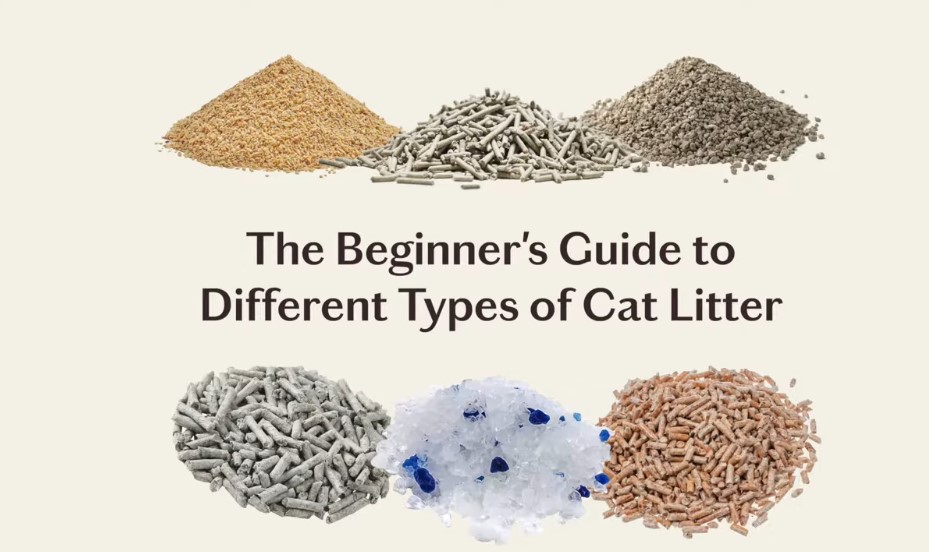
Choosing the right cat litter is one of the most critical decisions you’ll make as a cat owner. It affects your cat’s health and happiness, controls odors in your home, and determines the daily chore of scooping. With dozens of brands and types lining the pet store shelves, from clumping clay to silica crystals to natural pine, the choice can feel overwhelming.
The truth is, there is no single “best” cat litter for everyone. The best litter is a balance between your cat’s preferences and your own priorities for odor control, dust, tracking, price, and convenience.
This ultimate guide will demystify the world of cat litter. We’ll explore every major type, break down their pros and cons, and provide specific product recommendations to help you and your feline friend find the perfect match.
Understanding Cat Litter Types: The Core Categories
Before we crown a champion, it’s essential to understand the players. Each type of litter has a unique composition and set of properties.
1. Clumping Clay Litter
This is the most popular and widely available type of litter. It’s typically made from sodium bentonite clay, which has incredible absorbency and clumping properties.
- How it works: When your cat urinates, the clay absorbs the moisture and forms a tight, solid clump that can be easily scooped out, leaving the rest of the litter clean.

- Pros:
- Excellent clumping makes waste removal easy.
- Great odor control (especially with baking soda or carbon additives).
- Highly absorbent.
- Very affordable and available everywhere.
- Cons:
- Can be very dusty, which is bad for both human and feline respiratory systems.
- Heavy to carry and pour.
- Not environmentally friendly; it’s strip-mined and not biodegradable.
- Tracking can be an issue with smaller granules.
2. Non-Clumping Clay Litter
The original cat litter. This is made from absorbent clay but lacks the clumping sodium bentonite.
- How it works: It absorbs urine throughout the entire pan. To clean, you must dump the entire box regularly.
- Pros:
- Generally the cheapest option.
- Readily available.
- Cons:
- Very inefficient and wasteful. The whole box must be changed frequently.
- Odor control is poor as urine saturates the entire pan.
- Very dusty.
- Not recommended for multi-cat households.
3. Silica Gel Crystal Litter
This litter is made from silica dioxide, the same material as those little “Do Not Eat” packets that come in new shoes. The porous beads absorb immense amounts of moisture.
- How it works: The crystals absorb urine and trap it inside, drying out solid waste. Liquid seems to “disappear” as it’s absorbed. You only need to scoop solids; the crystals will absorb liquid for weeks before needing a full change.
- Pros:
- Unbeatable odor control for urine (it seals it inside the beads).
- Incredibly long-lasting—a single bag can last a month for one cat.
- Virtually dust-free.
- Very lightweight.
- Cons:
- The most expensive option upfront (though it can last longer).
- Some cats dislike the feel of the hard crystals on their paws.
- Can be noisy when cats dig.
- Tracking of small crystals can be problematic.
4. Natural/Biodegradable Litters
This category has exploded in popularity due to environmental and health concerns. These litters are made from various plant-based materials and are compostable (though caution is needed with cat waste).
- Pine Litter: Made from compressed pine sawdust. It often comes in pellet form.
- How it works: Pellets absorb urine and break down into sawdust. Odor is controlled by the natural scent of pine.
- Pros: Natural pine scent, very low dust, affordable, biodegradable.
- Cons: The sawdust can be messy, some cats hate the strong smell, tracking of pellets.
- Walnut Litter: Made from crushed walnut shells.
- How it works: Similar to clumping clay; it forms soft, clumps and is very absorbent.
- Pros: Excellent natural odor control, soft texture cats like, low dust, clumps well.
- Cons: Can be pricey, darker color can make it hard to see urine clumps, tracking can occur.
- Corn & Wheat Litter: Made from corn or wheat byproducts.
- How it works: These litters clump exceptionally well, similar to clay. They often have a subtle, pleasant smell.
- Pros: Excellent clumping, good odor control, flushable (check brand instructions!), biodegradable, low dust.
- Cons: Can be attractive to bugs if stored improperly, more expensive than clay, some cats may try to eat it.
- Paper Litter: Made from recycled paper, usually in pellet form.
- How it works: Highly absorbent but non-clumping. Best for cats recovering from surgery (low dust) or kittens who might ingest litter.
- Pros: Virtually dust-free, highly absorbent, inexpensive.
- Cons: Poor odor control, needs frequent full changes, not effective at clumping.
Key Factors to Consider When Choosing a Litter
Now that you know the types, how do you decide? Weigh these factors against your lifestyle.
- Your Cat’s Preference (The Most Important Factor!): You can buy the most expensive litter on the market, but if your cat hates it, they may stop using the box. Cats generally prefer a soft, sand-like texture that is unscented. Observe your cat’s behavior. Are they avoiding the box? Kicking litter out aggressively? These are signs of dislike.
- Odor Control: This is usually the owner’s top priority. Clumping clay and silica gel are generally the winners here. Clumping litter isolates urine, and silica gel locks it away. Natural litters like walnut and corn also perform very well. Non-clumping and paper litters tend to have the worst odor control.
- Dust: Dust can exacerbate asthma and respiratory issues in both cats and humans. It also creates a messy cloud when pouring. Silica crystal, natural pine pellets, and paper litters are the least dusty. Standard clay litters are often the dustiest.
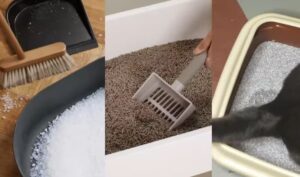
- Tracking: Does litter get scattered all over your floor? Smaller, lighter granules (like fine clay or crystals) tend to track more. Larger pellets (pine, paper) track the least. A good litter mat is essential for any litter type.
- Clumping Ability: A firm, solid clump is easy to scoop and keeps the box cleaner. Clay, corn, and wheat litters are clumping champions. Silica and pine pellets work on a different absorption principle.
- Weight & Convenience: Clay litter is extremely heavy. Silica and natural litters are often much lighter, a crucial factor if you have to carry it up stairs.
- Price & Value: Consider both the upfront cost and the long-term value. Non-clumping clay is cheap upfront but needs constant replacing. Silica gel is expensive per bag but can last a month for one cat, offering great value.
- Environmental Impact: If this is a priority, look for biodegradable, renewable options like pine, walnut, corn, wheat, or paper-based litters. Clay is not eco-friendly.
Top Product Recommendations by Category
Based on extensive reviews and user feedback, here are some standout products:
- Best Overall Clumping Clay: Arm & Hammer Clump & Seal Platinum
- Why: Renowned for its incredible odor-sealing technology, thanks to baking soda. It forms rock-hard clumps with minimal dust.
- Best Silica Crystal Litter: PrettyLitter
- Why: Beyond being a highly effective silica litter, its health-monitoring feature is revolutionary. It changes color to alert you to potential health issues like urinary tract infections or kidney problems. (Also great: Fresh Step Crystals).
- Best Natural Clumping Litter: World’s Best Cat Litter (Corn-Based)
- Why: It has the clumping power of clay but is made from whole-kernel corn. It’s low dust, has great odor control, and is flushable.
- Best Pine Pellet Litter: Feline Pine Original
- Why: A affordable, effective, and natural choice. The pine scent neutralizes odors effectively, and it produces very little dust.
- Best for Dust-Free Needs: Elsey’s Precious Cat Respiratory Relief
- Why: Specifically formulated to be 99.9% dust-free for cats and owners with asthma and allergies. It’s a soft, clumping clay litter.
- Best Budget-Friendly Litter: Special Kitty Clumping Litter (Walmart)
- Why: Consistently ranks as a best-value litter. It performs surprisingly well for odor control and clumping at a fraction of the price of premium brands.
How to Successfully Transition to a New Litter
Cats are creatures of habit. A sudden switch can cause box aversion. Do it slowly over 7-10 days:
- Week 1: Mix 25% new litter with 75% old litter.
- Week 2: Shift to a 50/50 mix.
- Week 3: Mix 75% new litter with 25% old litter.
- Week 4: You can use 100% new litter.
Always provide multiple boxes during the transition so your cat has options.
The Best Litter is a Happy Compromise
Finding the best cat litter is a personal journey that requires considering the needs of both you and your cat. Start by prioritizing what matters most: is it odor control, low dust, environmental impact, or cost?
If your cat is happy and healthy, be willing to experiment. Many owners use different types in different boxes. The ultimate goal is a clean, odor-free home and a cat who consistently uses their litter box. By understanding the options and carefully observing your cat, you’ll find the perfect litter that makes everyone in the household—feline and human—happier.
This other amazing post, “The Aquarist’s Guide to Diagnosis, Treatment, and Prevention of Common Fish Diseases”, might interest you. Check it out!
I hope you enjoyed this article, which focuses on “The Ultimate Guide to Finding the Best Cat Litter for Your Cat and Your Home”. You can share your thoughts and experiences with me in the comments section.