
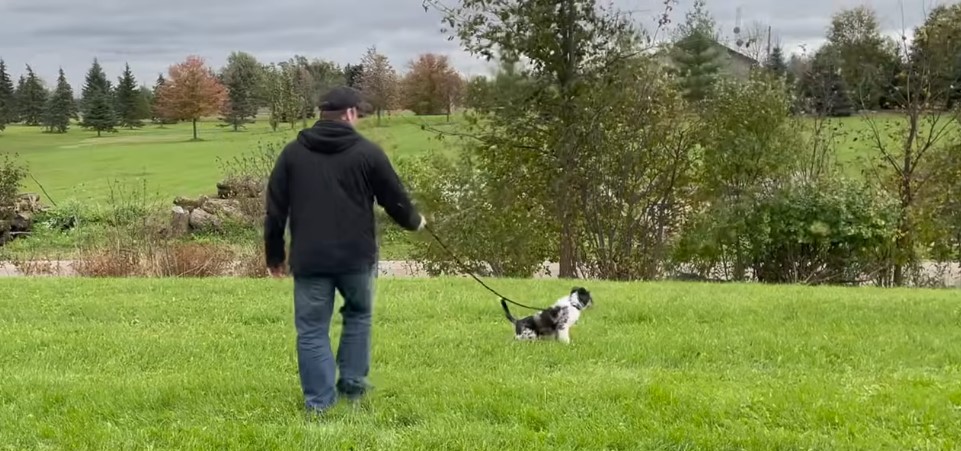
The Ultimate Guide to Potty Training Your Puppy: A Journey of Patience, Consistency, and Success Bringing a new puppy home is a whirlwind of joy, fluffy cuddles, and… accidents.
Lots of them. Potty training is often the first and most daunting challenge for new dog owners. It can feel like a test of patience, a battle of wills, and a never-ending cycle of mopping floors. However, with the right knowledge, a solid plan, and a heavy dose of consistency, you can successfully guide your puppy to become a reliably house-trained companion.
This process is about more than just teaching a dog where to relieve themselves; it’s about communication, building trust, and establishing a routine that sets the foundation for a well-behaved adult dog.
This comprehensive guide will delve into the science of a puppy’s physiology, provide a step-by-step training protocol, address common setbacks, and equip you with the mindset needed to navigate this inevitable puppy rite of passage.
Laying the Foundation: Understanding Your Puppy’s World
Before you can effectively teach, you must understand your student. A puppy is not a small adult dog. Their bodies and brains are still developing, which presents specific challenges and limitations.
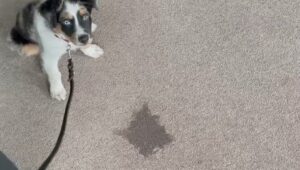
The Bladder and Bowel Challenge:
A general rule of thumb is that a puppy can hold their bladder for approximately one hour for every month of age, up to about eight months. So, a two-month-old puppy has a biological capacity of about two hours.
This is a best-case scenario when they are awake and calm. During play, excitement, or after drinking, the urge can come on much faster. Their bowel control is similarly limited.
The Language of “Gotta Go”:
Puppies don’t understand the social contract of carpets and hardwood floors. To them, the world is one big bathroom. It is your job to teach them the preferred location. They will, however, give signals. It’s crucial to learn them:
· Sniffing the ground intently and circling
· Whining or barking suddenly
· Pacing or appearing restless or anxious
· Heading toward a door or a previously soiled area
· Suddenly stopping play or chewing
The Power of the Schedule:
Predictability is your greatest ally. Puppies thrive on routine. A consistent schedule helps regulate their digestive systems and teaches them that opportunities to go outside are a regular, reliable part of their day. This reduces anxiety and the likelihood of accidents born from desperation.
The Essential Toolkit: What You Need to Succeed
Gather these supplies before you begin. Being prepared prevents mistakes.
1. High-Value Treats: Find a treat your puppy goes crazy for—small, soft, and smelly is best (e.g., tiny pieces of chicken, hot dog, or commercial training treats). Reserve this special reward exclusively for successful potty trips.
2. A Designated Potty Spot: Choose a specific area outside where you always want your puppy to go. The consistent scent will encourage them to go there.
3. A Leash: Even if you have a fenced yard, use a leash for every potty trip in the beginning. This keeps the puppy focused on the task at hand (“business”) rather than wandering off to play (“party”).
4. Enzymatic Cleaner: This is non-negotiable. Regular household cleaners remove the stain and odor for you, but they leave behind trace proteins that only your puppy’s powerful nose can detect. These residual odors will draw them back to the same spot to soil again. Enzymatic cleaners (like Nature’s Miracle or Rocco & Roxie) actually break down and eliminate the organic matter, completely erasing the scent signal.
5. A Crate or Confinement Area: A crate is not a prison; it is a powerful training tool that taps into a dog’s natural instinct to keep their den clean. When used correctly, it prevents accidents when you cannot provide direct supervision.
The Step-by-Step Potty Training Protocol
This is your daily game plan. Consistency across all family members is critical.
Step 1: Establish a Rigid Schedule
Your puppy should go out:
· Immediately upon waking up in the morning and from every nap.
· Immediately after playing indoors.
· Immediately after drinking water or eating a meal (within 5-20 minutes).
· Before being confined in their crate.
· Before bedtime.
· And every 1-2 hours in between, based on their age.
Step 2: The Potty Trip Itself – It’s All Business
· Leash Up: Take your puppy on a leash directly to their designated potty spot.
· Choose a Potty Cue: As they are about to go, say a specific, calm cue phrase like “Go potty” or “Do your business.” This will eventually allow you to prompt them to go on command, which is invaluable in bad weather or before a car trip.
· Wait Patiently: Stand still and be boring. Give them 3-5 minutes to perform. If they don’t go, take them back inside, keep them on a leash with you or in their crate for 10-15 minutes, and then try again. This prevents them from learning that a potty trip is just a chance to play in the yard.
· Mark and Reward! The instant they finish urinating or defecating, praise them calmly and give them their high-value treat. The timing is crucial—the reward must be delivered within seconds to clearly mark the desired behavior.
Step 3: Mastering Supervision and Management
· Constant Vigilance: When your puppy is loose in the house, your eyes must be on them 100% of the time. If you can’t watch them, they should be in their crate or a puppy-proofed confinement area (like an exercise pen).

· Confinement is Kindness: Using a crate when you can’t supervise is the single most effective way to prevent accidents and speed up the training process. It teaches them to “hold it” because they don’t want to soil their sleeping space.
Step 4: Handling Accidents – The Right Way
Accidents will happen. They are not a failure; they are data. They tell you that your puppy was unsupervised, didn’t get outside in time, or perhaps has a digestive issue.
· If You Catch Them in the Act: Interrupt them with a neutral sound like “Oops!” or a clap. This should be enough to startle them into stopping. Immediately scoop them up and rush them outside to their spot. Praise and reward if they finish there. Do not yell, scream, or rub their nose in it. This only teaches them to fear you and to hide when they need to go.
· If You Find a Mess Later: You missed your window. Clean it up thoroughly with your enzymatic cleaner and let it go. Punishing a puppy after the fact is utterly confusing for them; they cannot connect your anger to an action that happened minutes or hours ago.
Troubleshooting Common Setbacks
Regression Happens:
It is perfectly normal for a puppy who seemed trained to suddenly have more accidents. This is often due to:
· Life Changes: A move, a new family member, or a change in schedule.
· Adolescence: Around 6-9 months, puppies test boundaries, much like teenagers.
· Medical Issues: A sudden increase in accidents could signal a UTI. Always consult a vet first if there is a sudden, unexplained regression.
The solution is not to panic. Go back to basics: tighten up the schedule, increase supervision, and reward heavily for success.
They Won’t Go in Bad Weather:
Many puppies dislike rain, snow, or cold wind.
· Solution: Use a cue like “Hurry up!” to encourage them. Stand under an awning or umbrella with them. Ensure the trip is all business—get them to go, reward lavishly, and then go back inside. You can also teach them to use a designated indoor spot like a potty pad or a fresh patch of turf on a balcony, though this can sometimes confuse them about the ultimate goal of going outside.
They Seem to “Forget” Their Training:
This is almost always a case of insufficient generalization. A puppy may learn that the backyard is the bathroom but not understand that the front yard, the park, or a friend’s house also counts. You must proof the behavior by practicing in many different locations, always on a leash, and always rewarding generously.
The Long Game: Phasing Out Treats and Achieving Reliability
Potty training is not a linear process. True reliability can take anywhere from 4 to 6 months, and for some breeds, even longer.
· Phasing Out Treats: Once your puppy is consistently going in the right spot for several weeks, you can start to slowly fade the food rewards. Switch to variable reinforcement—rewarding the best potty trips (e.g., the ones where they went quickly on cue) and not every single one. Eventually, the act of being let back inside to play becomes its own reward.
· Earning Freedom: Freedom in the house is a privilege earned through a history of reliability. Start by allowing them access to one new room at a time for short periods under your watchful eye. Gradually increase their freedom as they prove they can be trusted.
A Test of Patience, A Bond Forged in Trust
Potty training is less about training your puppy and more about training yourself to be observant, consistent, and proactive. It is the first major project you will undertake together, and it sets the tone for your entire relationship.
The lessons you teach during this time—about communication, patience, and mutual respect—extend far beyond the bathroom habits.
There will be frustrating days and moments of doubt. But by embracing a philosophy of management over punishment, consistency over confusion, and positive reinforcement over fear, you will succeed.
The day will come when your dog signals at the door, does their business outside, and looks up at you with pride, not because they expect a treat, but because it’s simply what you do. That reliability is the foundation of a harmonious life with a dog who is not just house-trained, but truly understands how to be a cherished member of your family.
This other amazing post, “Dog Behavior Problems: Guide to Understanding Canine Behavioral Issues”, might interest you. Check it out!
I hope you enjoyed this article, which focuses on “The Ultimate Guide to Potty Training Your Puppy”. You can share your thoughts and experiences with me in the comments section.