
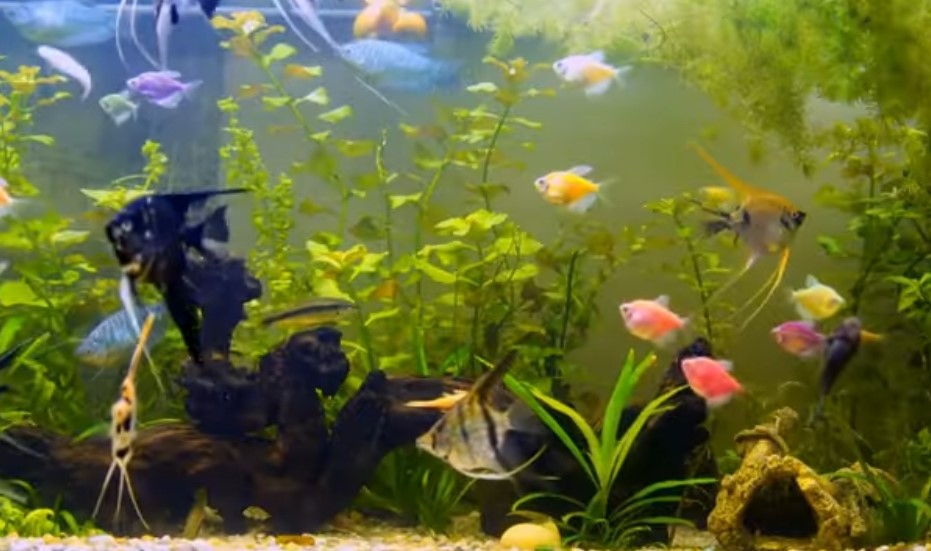
A thriving aquarium is a living tapestry of color and motion, a serene window into an aquatic world. However, this delicate ecosystem can be quickly disrupted by the outbreak of disease.
For fish keepers, recognizing, treating, and, most importantly, preventing illness is a fundamental skill. Common Fish disease is rarely a simple case of a single pathogen acting alone; it is almost always a symptom of a broader imbalance in the aquarium’s environment. Stress is the great immunosuppressant of the fish world, and it is the primary gateway for pathogens to take hold.
This article serves as a detailed guide to the most common freshwater and marine fish diseases. We will move beyond simple symptom-spotting to understand the underlying causes, explore effective treatment strategies, and establish a robust framework for prevention, empowering you to become a proficient guardian of your aquatic pets.
The Foundation: The Disease Triangle and Quarantine
Before delving into specific ailments, it’s crucial to understand the “Disease Triangle.” For a Common fish diseases to occur, three factors must be present:
- A Susceptible Host: A fish that is stressed, injured, or immunocompromised.
- A Pathogen: The disease-causing organism (parasite, bacterium, fungus, virus).
- A Conducive Environment: Poor water quality, incorrect temperature, overcrowding, or inadequate nutrition.
As an aquarist, you have direct control over two corners of this triangle: the Host’s health and the Environment. By optimizing these, you eliminate the opportunity for the Pathogen to flourish. This is why prevention is always more successful than treatment.
The single most important practice for preventing the introduction of pathogens is a strict Quarantine Protocol. Any new fish, plant, or invertebrate should be placed in a separate, bare-bottomed quarantine tank (QT) for a minimum of 2-4 weeks. This period allows you to observe the new arrival for signs of illness and treat it if necessary without risking your main display tank. A QT is non-negotiable for serious aquarists.
Part 1: Parasitic Infections
Parasites are among the most common culprits in Common fish diseases. They can be introduced via new fish, live food, or plants.
1. Ich (Ichthyophthirius multifiliis) – “White Spot Disease”
- Cause: A ciliated protozoan parasite. Its life cycle is key to understanding treatment. The visible white spots on the fish are the feeding trophonts. They eventually drop off, form a reproductive cyst (tomont) on the substrate, which divides into hundreds of free-swimming tomites that seek a new host.
- Symptoms: Pinhead-sized white salt-like spots covering the body, fins, and gills. Fish may flash (rub against objects), clamp their fins, and exhibit rapid gill movement due to irritation. Advanced cases lead to lethargy and loss of appetite.
- Treatment: Because the medication only affects the free-swimming tomite stage, treatment must continue for the entire lifecycle, typically at least 10-14 days.
- Elevate Temperature: Gradually increasing the temperature to 78-80°F (26-27°C) for freshwater species speeds up the parasite’s lifecycle, making it vulnerable to medication sooner. Do not use this method for cold-water fish.
- Medication: Copper-based treatments, malachite green, or formalin are effective. Follow product instructions meticulously. Copper is toxic to invertebrates and some sensitive fish.
- Salt: For freshwater ich, a low dose of aquarium salt can help osmoregulatory stress and kill some tomites.
- Prevention: Quarantine all new arrivals. Stress reduction through excellent water quality.
2. Velvet (Oodinium spp.) – “Gold Dust Disease”
- Cause: A dinoflagellate parasite (Oodinium pillularis in freshwater, Amyloodinium ocellatum in saltwater). More dangerous and finer than Ich.
- Symptoms: A dusty, yellowish or light brown film on the body that gives a velvety appearance. Fish may flash, clamp fins, and have labored breathing. It is often noticed under a flashlight beam shone sideways on the fish. Rapid mortality is common.
- Treatment: Similar to Ich but often requires a different approach.
- Freshwater Velvet: Copper-based medications are standard. Darkness for several days can help as the parasite is photosynthetic.
- Saltwater Velvet: Copper treatment in a QT is the most reliable method. Chloroquine phosphate is also highly effective. Due to its rapid life cycle, prompt action is critical.
- Prevention: Meticulous quarantine. Marine velvet is a primary reason for a fallow (fish-less) period in display tanks.
3. Flukes (Monogenean Trematodes)
- Cause: Microscopic flatworms that attach to the gills or body of the fish using hooks.
- Symptoms: Gill Flukes cause rapid gill movement, gasping at the surface, lethargy, and clamped fins. Skin Flukes can cause cloudiness of the skin, flashing, and excess mucus production. Heavy infestations are fatal due to damage to the gill filaments.
- Treatment: Praziquantel is the treatment of choice and is very effective. It can be administered as a bath or in-tank treatment and is generally safe for fish, invertebrates, and biological filtration. A second treatment is needed 5-7 days later to kill any new hatchlings.
- Prevention: Quarantine new fish.
4. Internal Parasites (Nematodes, Cestodes)
- Cause: Various worms living in the gastrointestinal tract.
- Symptoms: Weight loss (emaciation, “pinched” belly) despite a good appetite, white stringy feces, and lethargy.
- Treatment: Medicated food containing praziquantel (for tapeworms) or fenbendazole/levamisole (for roundworms/nematodes) is most effective, as the medication must be ingested. Treating the water is often ineffective for internal worms.
- Prevention: Avoid feeding live foods from unreliable sources.
Part 2: Bacterial Infections
Bacterial infections are often secondary, taking advantage of Common fish diseases that are already stressed or have a compromised slime coat from parasitic damage.
1. Fin Rot
- Cause: Typically gram-negative bacteria like Aeromonas, Pseudomonas, or Flexibacter.
- Symptoms: The edges of the fins become frayed, uneven, and may display a white, milky appearance. In advanced cases, the rot progresses towards the base of the fin, and red streaks (inflammation) may appear. If it reaches the body, it becomes life-threatening.
- Treatment:
- Early Stage: Immaculate water quality is often enough for the fish to recover on its own.
- Advanced Stage: Antibacterial medications like API Fin & Body Cure, Erythromycin, or products containing nitrofurazone. Salt baths can be helpful for freshwater fish.
- Early Stage: Immaculate water quality is often enough for the fish to recover on its own.
- Prevention: Excellent water quality, reducing aggression from tank mates, and avoiding sharp décor.
2. Columnaris (Flexibacter columnaris) – “Cotton Wool Disease”
- Cause: A gram-negative bacterium, Flavobacterium columnare. It is highly contagious and often mistaken for a fungus due to its appearance.
- Symptoms: White or grayish, frayed lesions on the skin, mouth (where it is called “Mouth Fungus”), or fins that have a cotton-like texture. Lesions can spread rapidly. A key identifier is its rapid progression; it can kill fish within 24-48 hours.
- Treatment: Prompt action is vital. Potassium permanganate or hydrogen peroxide dips can be used. Medicated food or water treatments with antibiotics effective against gram-negative bacteria (e.g., Kanaplex, Furan-2) are necessary. Salt can be used for freshwater fish.
- Prevention: Low stress, excellent water quality, and avoiding overcrowding.
3. Dropsy
- Cause: Dropsy is a symptom, not a disease itself. It indicates internal organ failure, usually kidney failure, leading to an inability to osmoregulate. The underlying cause is often a systemic bacterial infection (Aeromonas is common).
- Symptoms: Severe bloating or swelling of the abdomen, and most notably, protruding (“pineconing”) scales due to fluid accumulation in the tissues.
- Treatment: Sadly, by the time pineconing is visible, the damage is often irreversible. Isolate the fish immediately. Treatment involves antibiotics in the food (e.g., Kanaplex), as the infection is internal. Epsom salt baths can help draw out some fluid and reduce swelling. The prognosis is poor.
- Prevention: Maintaining a pristine, low-stress environment to prevent systemic infections.
Part 3: Fungal Infections
True fungal infections are also typically secondary, colonizing areas of injury, unhealed wounds, or dead tissue.
1. Saprolegnia (“Cotton Mold”)
- Cause: Fungus from the Saprolegnia
- Symptoms: White, gray, or brown cotton-like growths on the skin, fins, eyes, or mouth. It can also grow on unfertilized or damaged eggs.
- Treatment: Improve water quality. The fungus can be treated with antifungal medications like Pimafix, or with salt baths for freshwater fish. Methylene blue is an effective treatment for both fish and eggs.
- Prevention: Address the primary cause, which is usually physical injury, parasitic damage, or poor water conditions. Remove unfertilized eggs from breeding tanks.
Part 4: Viral Infections
Viral diseases are less Common fish diseases in home aquaria but can be devastating. There are often no effective treatments.
1. Lymphocystis
- Cause: A virus from the Iridovirus family.
- Symptoms: Nodular, cauliflower-like white or pink growths typically on the fins or skin. It grows slowly and is often confused with Ich or fungus.
- Treatment: There is no direct cure. It is usually self-limiting; the growths may eventually fall off after several weeks or months. The focus is on supportive care: excellent water quality, high-quality food, and reducing stress to boost the fish’s immune system. Secondary bacterial infections on the lesions may require treatment.
- Prevention: Quarantine, as it is highly contagious through direct contact and contaminated water.
Part 5: Environmental and Nutritional Diseases
These are not caused by pathogens but by errors in husbandry.
1. Swim Bladder Disorder
- Cause: Often related to constipation from overfeeding or a poor diet (e.g., dry flakes that expand), causing pressure on the swim bladder. It can also be caused by physical injury, birth defects, or secondary bacterial infection.
- Symptoms: The fish has difficulty maintaining buoyancy. It may sink to the bottom, float at the surface, swim on its side, or struggle to swim upright.
- Treatment: Fast the fish for 2-3 days. Then, offer a skinned, cooked pea (for omnivores/herbivores) as a laxative. If caused by infection, antibacterial treatment may be needed.
- Prevention: A varied, high-fiber diet, avoiding overfeeding, and soaking dry foods before feeding.
2. Hole-in-the-Head (HITH) / Lateral Line Erosion (LLE)
- Cause: The exact cause is debated but is strongly linked to poor water quality (high nitrate levels) and nutritional deficiencies (specifically vitamins C and D, calcium, and phosphorus). The flagellate parasite Hexamita is often a secondary invader.
- Symptoms: Pitting and erosion lesions on the head and along the lateral line. The lesions may start small and expand, sometimes emitting a white, stringy discharge.
- Treatment: Improve water quality with large, frequent water changes. Improve diet with vitamin-rich foods. Metronidazole is used to treat suspected Hexamita infections, often mixed into food.
- Prevention: Excellent filtration, regular water changes, and a varied, high-quality diet.
The Aquarist’s Action Plan: Diagnosis, Treatment, and Prevention
Step 1: Observation and Diagnosis
- Observe Daily: Spend time watching your fish’s behavior and appearance.
- Isolate: Move affected fish to a quarantine/hospital tank if possible. This allows for targeted treatment and protects your main tank’s biological filter and invertebrates from medication.
- Test Water Parameters: This is your first step. Test for ammonia, nitrite, nitrate, pH, and temperature. Many health issues are directly caused by water quality problems.
- Research Symptoms: Use reliable sources to match symptoms accurately.
Step 2: Treatment
- Choose the Right Medication: Misdiagnosis leads to wrong treatment, which stresses the fish further.
- Follow Instructions: Do not overdose. More is not better. Complete the full course of treatment.
- Water Changes: During and after treatment, perform regular water changes to remove waste and medication residues.
- Supportive Care: Provide pristine, warm, well-oxygenated water and high-quality food.
Step 3: Prevention – The Ultimate Goal
- Quarantine: The cornerstone of prevention.
- Stable, Pristine Water: Invest in a good filter, perform regular partial water changes (10-25% weekly), and vacuum the substrate. Stability is more important than a “perfect” pH that fluctuates.
- Avoid Overcrowding: Follow sensible stocking guidelines.
- Proper Nutrition: Offer a varied, high-quality diet appropriate for the species.
- Reduce Stress: Provide adequate hiding places, appropriate tank mates, and a stable environment. Acclimate new fish slowly.
Common fish diseases can be a daunting challenge, but it is almost always a manageable one. By shifting your focus from reactive treatment to proactive prevention—through quarantine, impeccable water quality, and low-stress husbandry—you can break the Disease Triangle and create an environment where your fish are not just surviving, but thriving.
Armed with the knowledge to identify common ailments and understand their root causes, you become more than just a fish keeper; you become a skilled aquarist and a dedicated steward of your underwater world.
This other amazing post, “The Aviary Arsenal: A Comprehensive Guide to Choosing Safe, Enriching Toys for Bird”, might interest you. Check it out!
I hope you enjoyed this article, which focuses on “The Aquarist’s Guide to Diagnosis, Treatment, and Prevention of Common Fish Diseases”. You can share your thoughts and experiences with me in the comments section.