
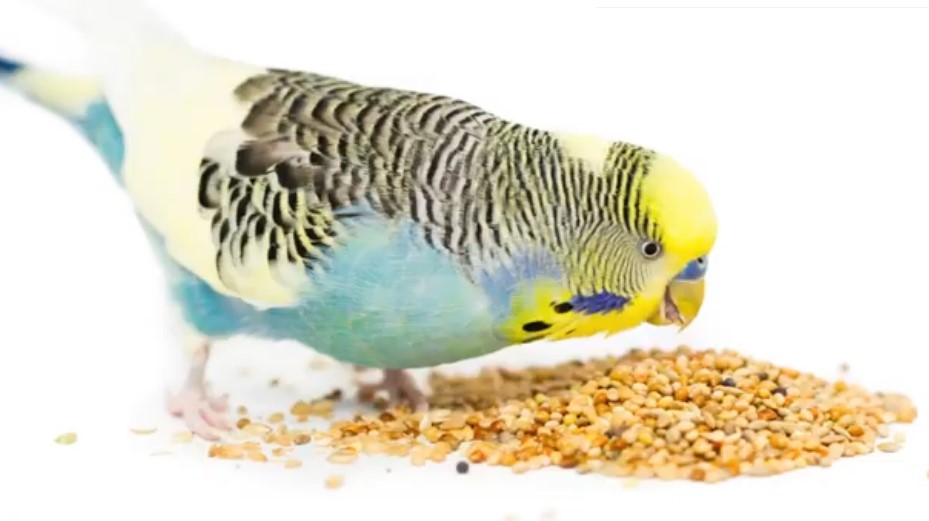
The vibrant plumage, the energetic chirping, the playful antics—a healthy bird diet is a joy to behold. Yet, beneath those beautiful feathers lies a metabolism that is nothing short of a high-performance engine.
Birds, especially our captive companions, have precise and complex nutritional needs that are often misunderstood. The seed-only diet, a relic of the past, is a direct path to malnutrition, obesity, and a shortened lifespan. Proper avian nutrition is a science and an art, a commitment to understanding the unique biological imperatives of our feathered friends.
This comprehensive guide delves into the critical components of a balanced bird diet, moving beyond the basics to explore the nuances that separate mere survival from thriving health.
Part 1: Deconstructing the Myth of the Seed-Only Diet
For decades, a bowl of commercial seed mix was the standard fare for pet birds. We now know this is akin to feeding a child a diet of only potato chips and candy. While seeds are a natural part of many birds’ diets in the wild, the key lies in context and variety.
Why Seeds Fall Short:
- Nutritional Imbalance: Seeds are disproportionately high in fat and carbohydrates while being deficient in nearly every other essential nutrient. They are particularly low in vitamins A, D, and K, calcium, iodine, selenium, and essential amino acids like lysine and methionine.
- Selective Feeding: Given the choice, a bird will naturally pick out its favorite, often the fattiest, seeds (like sunflower and safflower), ignoring the healthier but less tasty options like millet. This exacerbates the imbalance.
- Health Consequences: A long-term seed-based diet leads to a host of serious health problems:
- Vitamin A Deficiency: Compromises the immune system and the health of the skin, respiratory tract, and digestive system.
- Calcium Deficiency: Leads to weak bones, egg binding in females, and seizures.
- Obesity and Fatty Liver Disease: The excessive fat content strains the liver, a critical organ for metabolism.
- Atherosclerosis: Fatty deposits can form in arteries, leading to heart disease and sudden death.
This is not to say seeds are evil; they are a valuable energy source. The problem is their role as the foundation of the diet. They should be treated as a treat or a small component of a much more diverse nutritional plan.
Part 2: The Cornerstone of Avian Health: Formulated Pellets
The single most important advancement in avian nutrition has been the development of formulated diets, commonly known as pellets. These are scientifically designed to be a complete and balanced food source.
What Are Pellets?
Pellets are manufactured by combining grains, seeds, vegetables, fruits, vitamins, and minerals into a uniform mixture that is then cooked and extruded into various shapes and sizes. This process ensures every bite contains a balanced proportion of nutrients, eliminating the possibility of selective feeding.
Benefits of a Pellet-Based Diet:
- Complete Nutrition: Provides a consistent and reliable source of vitamins, minerals, and amino acids.
- Prevents Deficiency Diseases: Virtually eliminates the risk of the common illnesses caused by seed-only diets.
- Variety in Formulation: Pellets are available for different life stages (e.g., growth, maintenance, breeding), species, and even specific health conditions (e.g., hepatic support, renal support).
Transitioning to Pellets:
Converting a seed-addicted bird can be challenging but is immensely rewarding. It requires patience and persistence. Methods include:
- Gradual Mixing: Slowly increasing the ratio of pellets to seeds over weeks.
- Mixing with Water: Creating a moistened, mash-like consistency that can intrigue the bird.
- Eating Together: Birds are flock animals; eating your meals (or pretending to) next to them while offering pellets can encourage them to try the new food.
- Crushing and Sprinkling: Crushing pellets and sprinkling them on a favorite treat can help with acceptance.
A high-quality pellet should form the foundation of the diet, ideally comprising 60-80% of what your bird eats daily.
Part 3: The Vibrant World of Fresh Foods: Fruits and Vegetables
While pellets provide the nutritional baseline, fresh foods are the enriching supplement that provides phytonutrients, antioxidants, enzymes, and mental stimulation. They add variety in texture, color, and taste, which is crucial for a bird’s psychological well-being.
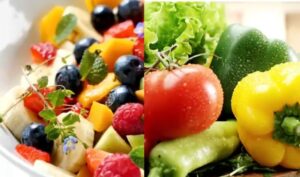
The Power of Vegetables: Vegetables should make up the majority of the fresh food offering. Aim for a colorful “rainbow” to ensure a wide range of nutrients.
- Dark, Leafy Greens: Kale, spinach, Swiss chard, dandelion greens, and mustard greens are powerhouses of vitamins A, C, and K, and calcium. (Note: Spinach contains oxalic acid, which can bind calcium, so it should be fed in moderation and not as a sole green).
- Orange & Red Vegetables: Carrots (great for vitamin A), sweet potatoes (cooked), red bell peppers (excellent vitamin C), and pumpkins.
- Cruciferous Vegetables: Broccoli, cauliflower, and Brussels sprouts offer fantastic nutrients but should be fed cooked to avoid potential thyroid suppression in large quantities.
- Other Great Options: Zucchini, cucumbers, snap peas, cooked beans (never raw), and beets.
The Role of Fruits: Fruits are nature’s candy—nutritious but high in natural sugars. They should be offered in smaller quantities than vegetables.
- Excellent Choices: Berries (blueberries, raspberries, blackberries) are antioxidant superstars. Melons, papaya, and mango are also great options.
- Feed in Moderation: Very sugary fruits like grapes and bananas should be treats.
Preparation is Key: All fresh foods must be thoroughly washed to remove pesticides. Organic is preferable when possible. Chop food into manageable, bite-sized pieces to prevent waste and make it easy to eat. Serving food at room temperature is best.
Part 4: The Supporting Cast: Proteins, Grains, and Healthy Fats
A truly balanced diet includes more than just fruits and veggies.
Protein: Essential for molting, breeding, and general tissue repair.
- Sources: Cooked chicken or fish (unsalted), hard-boiled egg (including the crushed shell for calcium), cooked legumes (lentils, chickpeas), and small amounts of low-fat cheese or plain yogurt. Protein should be offered 2-3 times per week, or more frequently during molt.
Whole Grains: Provide healthy carbohydrates and fiber.
- Sources: Cooked brown rice, quinoa, barley, whole wheat pasta, and oatmeal (cooked with water, no sugar added).
Healthy Fats: Necessary for energy, skin, and feather health.
- Sources: Small amounts of nuts (almonds, walnuts, pecans), flax seeds, and chia seeds. These are calorie-dense and should be given sparingly as training rewards or foraging treats.
Part 5: Species-Specific Considerations
While the principles of balance apply to all birds, different species have evolved with different dietary inclinations.
- Budgies, Cockatiels, and Finches (Small Hookbills): These birds are naturally granivores (seed-eaters) but still require a diet based primarily on pellets and fresh foods. They can be particularly prone to obesity, so fat intake must be carefully monitored. Spray millet is a favorite treat but should be given sparingly.
- African Greys: Known for their susceptibility to calcium deficiency, which can lead to hypocalcemia and seizures. Their diet must be exceptionally rich in calcium from sources like dark leafy greens, chopped almonds, and potentially a calcium supplement if recommended by an avian vet.
- Eclectus Parrots: Have a uniquely long digestive tract and are prone to absorbing excess vitamins from synthetic sources. Many experts recommend an Eclectus-specific pellet or a diet heavier in fresh foods and organic pellets to avoid health issues like toe-tapping and feather-picking.
- Macaws and Amazons (Large Hookbills): Often enjoy and benefit from larger nuts in the shell (which also provides enrichment) and more substantial fresh food chunks. They require plenty of opportunities to chew and destroy food.
- Lories and Lorikeets: These birds are specialized nectarivores. Their digestive systems are not designed to process seeds or pellets. They require a commercial or homemade nectar formula, supplemented with fresh fruits and occasional protein sources like flowering nectar or insectivore mix.
Part 6: Foods That Are Strictly Forbidden
Some common human foods are toxic to birds and must be avoided entirely:
- Avocado: Contains persin, a compound that causes cardiac distress, respiratory difficulty, and sudden death.
- Chocolate: Contains theobromine and caffeine, which are toxic to a bird’s nervous system.
- Onions and Garlic: Contain compounds that can cause anemia by destroying red blood cells.
- Caffeine and Alcohol: Absolutely toxic and can be fatal.
- Salty, Sugary, or Fatty Foods: Lead to dehydration, obesity, and organ damage.
- Fruit Pits and Apple Seeds: Contain cyanogenic glycosides, which can release cyanide. The apple flesh is fine, but the seeds must be removed.
- Rhubarb: The leaves are highly toxic.
- Xylitol: This artificial sweetener is highly toxic to many animals, including birds.
Part 7: The Practicalities of Feeding: Presentation and Safety
How you feed your bird is almost as important as what you feed them.
- Foraging: In the wild, birds spend 60-80% of their waking hours foraging for food. Providing food in foraging toys—rather than a simple bowl—stimulates their mind, reduces boredom, and prevents behavioral problems like screaming and feather plucking. Hide treats in paper cups, shreddable toys, or commercial foraging puzzles.
- Food and Water Bowls: Use stainless steel or ceramic bowls. They are non-porous, easy to clean, and don’t harbor bacteria like plastic can. Bowls must be washed daily in hot, soapy water.
- Fresh Water: Clean, fresh water must be available at all times and changed at least once, if not twice, daily.
- Quantity: A general guideline is to offer a daily volume of food (pellets + fresh chop) that is approximately equal to the size of your bird’s crop. Observe your bird’s consumption and adjust to minimize waste while ensuring it is eating enough.
- Consistency: Offer pellets daily. Fresh foods can be offered once or twice a day, preferably in the morning when birds are most hungry. Remove uneaten fresh food after a few hours to prevent spoilage and bacterial growth.
Nutrition as the Foundation of Wellness
Understanding and implementing proper avian nutrition is the most profound responsibility of a bird owner. It is not a mere chore but an active investment in the longevity and quality of life of a beloved companion.
Moving away from the outdated seed paradigm and embracing a diverse, pellet-based diet enriched with a colorful array of fresh foods, supplemented with healthy proteins and grains, is the proven path to avian health.
This dietary commitment, combined with ample fresh water, foraging opportunities, and regular wellness check-ups with an avian veterinarian, creates the foundation upon which a bird can truly flourish. A well-nourished bird is not just a bird that is free from disease; it is a bird with bright eyes, sleek feathers, boundless energy, and a vibrant spirit—a testament to the powerful role nutrition plays in the miracle of avian life.
This other amazing post, “Aquarium Setup for Beginners: Your Step-by-Step Guide to a Thriving First Tank”, might interest you. Check it out!
I hope you enjoyed this article, which focuses on “The Avian Gourmet: A Comprehensive Guide to Bird Diet and Nutrition for Optimal Health”. You can share your thoughts and experiences with me in the comments section.