
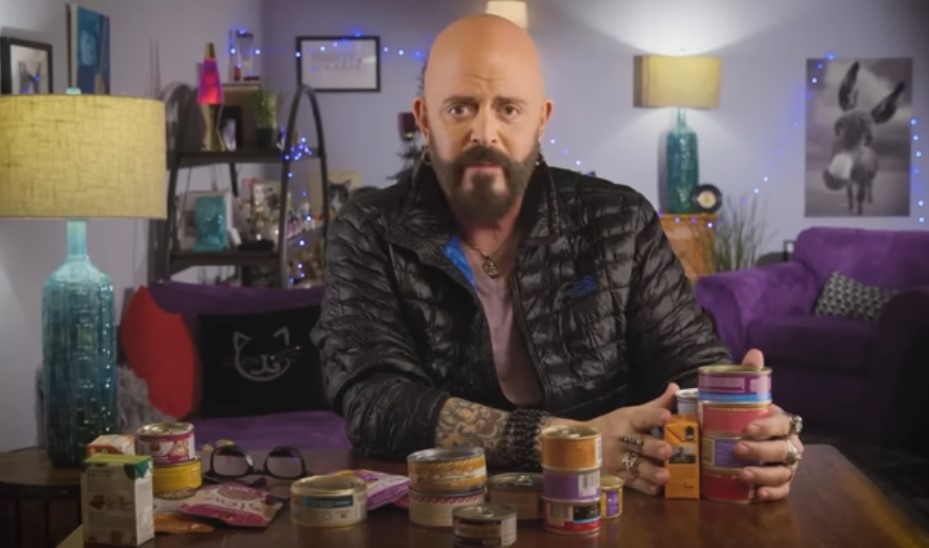
In this digital age, many turn to online cat food reviews to navigate this complex landscape. Yet, reviews themselves can be a minefield of conflicting opinions, anecdotal evidence, and marketing hype.
The pet food aisle is a modern-day labyrinth. Walls of bags and cans adorned with vibrant claims—”Grain-Free,” “Natural,” “Holistic,” “Veterinary Formula”—stretch out in a seemingly endless array of choices. For the conscientious cat owner, selecting the right food is an act of love, fraught with pressure and confusion.
This article aims to be your definitive guide: not by telling you which specific brand to buy, but by equipping you with the critical thinking skills to decipher reviews, understand ingredient lists, and ultimately, make the most informed, personalized choice for your feline companion.
Part 1: The Foundation – Understanding Feline Nutritional Needs
Before a single review can be understood, one must first understand what a cat is designed to eat. The domestic cat (Felis catus) is an obligate carnivore. This is not a suggestion; it is a biological imperative. Their physiology is built to derive essential nutrients from animal tissue.

Key Nutritional Pillars for Cats:
- High-Quality Animal Protein: This is the cornerstone. Cats require protein for energy, tissue repair, and overall metabolic function. Look for named animal sources as the first ingredient(s) (e.g., chicken, salmon, turkey, not vague terms like “meat by-products” or “poultry”).
- Moisture: Descended from desert-dwelling ancestors, cats have a low thirst drive and are designed to get most of their water from their food. A diet of exclusively dry kibble can chronically dehydrate a Cat food reviews, contributing to serious urinary tract issues like crystals and kidney disease. Wet food is superior for hydration.
- Fat: Provides concentrated energy and is necessary for the absorption of fat-soluble vitamins. It also makes food palatable.
- Taurine: An essential amino acid for cats that they cannot synthesize in sufficient amounts. A deficiency leads to irreversible heart and eye damage. All commercially balanced Cat food reviews are supplemented with taurine.
- Minimal Carbohydrates: Cats have no biological requirement for carbohydrates. While they can digest small amounts, high-carb diets (common in many dry foods as cheap fillers like corn, wheat, and soy) can contribute to obesity and diabetes.
With this foundation, you can begin to evaluate any cat food against the gold standard of what a cat is evolutionarily meant to consume.
Part 2: Deconstructing the Review Landscape – Who Can You Trust?
Not all reviews are created equal. Understanding the motivation and expertise behind the reviewer is crucial.
- The “Professional” Review Sites:
Many websites rank Cat food reviews with star ratings and “Top 10” lists. Be skeptical. Ask these questions:
- Transparency: Do they disclose how they make money? Often, these sites use affiliate links. They earn a commission if you click through and buy a product, which can inherently bias their “top picks” towards brands with higher affiliate payouts, not necessarily higher quality.
- Methodology: What are their criteria? A good review site will clearly state how they evaluate foods—e.g., ingredient quality, protein content, brand reputation, recall history, and manufacturing processes. If the criteria are vague or non-existent, the ratings are likely subjective.
- Expertise: Who is writing the reviews? Are they veterinarians, veterinary nutritionists, or simply pet enthusiasts? Look for credentials.
- User Reviews on Retail Sites (Chewy, Amazon, etc.):
These are invaluable for certain types of information but terrible for others.
- What They’re Good For:
- Palatability: If 80% of reviews say “My cat hates this,” it’s a good indicator of picky eaters turning their noses up.
- Immediate Reactions: Reviews can quickly highlight issues with a specific batch, like a change in formula, a strange smell, or packaging problems.
- Anecdotal Outcomes: You might see patterns like “This food resolved my cat’s soft stools” or “My cat’s coat got so soft.”
- What They’re Terrible For:
- Determining Overall Nutritional Quality: A five-star rating because “My cat loves it!” is meaningless from a health perspective. Cats often love foods that are like junk food—high in carbs, fat, and enticing flavors (called “palatants”).
- Medical Advice: Reviews filled with “This food cured my cat’s UTI” are dangerous. You cannot diagnose or treat a medical condition through a food review. Always consult your veterinarian.
- The “Squeaky Wheel” Effect: People are far more likely to leave a review after a negative experience. A product may have 50 negative reviews but be feeding 50,000 healthy cats whose owners never bothered to post.
- Veterinarian Recommendations:
This is a complex topic. Many vets recommend “prescription” or widely available brands like Hill’s Science Diet, Royal Canin, or Purina Pro Plan. There are good reasons for this:
- Research and Testing: These companies invest heavily in scientific research, feeding trials, and employ full-time veterinary nutritionists. They can provide vast amounts of data to vets on the efficacy of their formulas.
- Consistency and Safety: They have stringent quality control measures to ensure every batch is identical and safe, which is critical for cats with medical conditions.
However, some critics argue that these foods can contain lower-quality protein sources (by-products, corn gluten meal) compared to premium “holistic” brands. It’s a debate between scientific formulation and whole-food ingredient quality. The best approach is to have an open conversation with your vet about your options.
Part 3: The Master Skill – How to Read a Cat Food Label (Beyond the Marketing)
The most powerful tool at your disposal is not a review; it’s the label itself. Learn to be a label detective.
- The Ingredient List:
Ingredients are listed by weight, including moisture content.
- The First 5 Ingredients: This is where the bulk of the food comes from. The first ingredient should always be a named animal protein (e.g., “deboned chicken,” “salmon,” “lamb”). Be wary if the first ingredient is a carbohydrate like “brewers rice” or “corn meal.”
- Named vs. Vague Sources: “Chicken” is good. “Poultry” is vague and less desirable. “Meat by-products” are not inherently evil (they can include nutrient-rich organs), but their quality can be variable. Many premium brands avoid them.
- The Carb Culprits: Look for fillers like corn, wheat, soy, and white rice. While not toxic, they are often used to keep costs down and protein percentages artificially high (via plant-based proteins like corn gluten meal), but they provide less bioavailable nutrition for a carnivore.
- The Guaranteed Analysis:
This table provides the minimum or maximum percentages of key nutrients.
- Crude Protein: Aim for high numbers. For dry food, look for at least 35-40%+. For wet food, aim for 10%+ (remember, wet food is ~78% water).
- Crude Fat: Look for around 15-20% in dry food, 5%+ in wet food.
- Crude Fiber: Should be under 5% for most cats.
- Moisture: Max 10% for dry food, 78% for wet food.
- The “As-Fed” vs. “Dry Matter” Dilemma: This is critical. The Guaranteed Analysis is listed “as-fed,” meaning it includes the weight of the water. To compare dry food to wet food accurately, you must convert to a dry matter basis (DMB).
- Example: A wet food with 10% protein and 78% moisture has 22% dry matter (100% – 78% = 22%). Its DMB protein is (10% / 22%) x 100 = 5% protein. This is actually higher than a dry food with 40% protein and 10% moisture (DMB: (40% / 90%) x 100 = 44.4% protein).
- The AAFCO Statement:
This is non-negotiable. The Association of American Feed Control Officials sets nutritional standards. The label must state that the food is “formulated to meet the AAFCO nutrient profiles” for a specific life stage (e.g., “Kitten,” “Adult Maintenance,” “All Life Stages”) or that it has passed animal feeding trials. This is your baseline assurance that the food is nutritionally complete and balanced.
Part 4: Applying Knowledge – Creating Your Own Review Framework
Armed with knowledge, you can create a personal rubric to evaluate any food.
Tier 1: Non-Negotiables (If it fails here, reject it)
- Does it have a named animal protein as the first ingredient?
- Does it have an AAFCO statement for my cat’s life stage?
- Has the brand had a major recall history that wasn’t handled transparently?
Tier 2: Quality Differentiators (Weigh these factors)
- Protein Content: How high is the dry matter protein percentage?
- Carbohydrate Content: Is the food low in carb-heavy fillers? (You can estimate carbs via DMB: 100% – % Protein – % Fat – % Fiber – % Ash* = % Carbs *Ash is not always listed; 5-8% is a safe estimate).
- Wet vs. Dry: Am I prioritizing convenience (kibble) or hydration and species-appropriate nutrition (wet food)? A combination is often ideal.
- Brand Ethos: Does the brand employ a veterinary nutritionist? Do they own their manufacturing facilities? Are they transparent about their sourcing?
Tier 3: The Individual Cat Factor (The Most Important Tier)
This is where reviews become personal. The “best” food in the world is useless if your cat won’t eat it or gets sick from it.
- Palatability: Does your cat like it?
- Digestibility: Does it cause vomiting, diarrhea, or constipation? A gradual transition over 7-10 days is essential to judge this.
- Observable Outcomes: After 2-3 months on a new food, is your cat’s coat shiny? Are they a healthy weight? Are they energetic and vibrant?
- Health Conditions: Does your cat have allergies, kidney disease, or diabetes? Their condition will dictate specific nutritional needs that override all other factors. Work with your vet.

Becoming Your Cat’s Best Advocate
The world of cat food reviews is a tool, not an answer. The ultimate reviewer of your cat’s food is your cat themselves, monitored closely by you, their informed and caring advocate. Move beyond the star ratings and marketing buzzwords. Embrace the nuance.
Invest time in learning to read a label. Have open, curious conversations with your veterinarian. Prioritize animal protein and moisture above all else. Understand that the most expensive food is not necessarily the best, and the food your neighbor swears by might be wrong for your cat.
The goal is not to find the single, perfect, mythical “best cat food.” The goal is to find the best food for your cat—one that supports their biology, satisfies their taste buds, and contributes to a long, healthy, and happy life by your side. By looking beyond the bag, you can step out of the labyrinth of confusion and into the clear, confident role of a truly informed pet parent.
This other amazing post, “The Aquarist’s Rite of Passage: Guide to The Nitrogen Cycle and Fish Tank Cycling”, might interest you. Check it out!
I hope you enjoyed this article, which focuses on “Guide to Decoding Cat Food Reviews and Choosing the Best Nutrition”. You can share your thoughts and experiences with me in the comments section.