
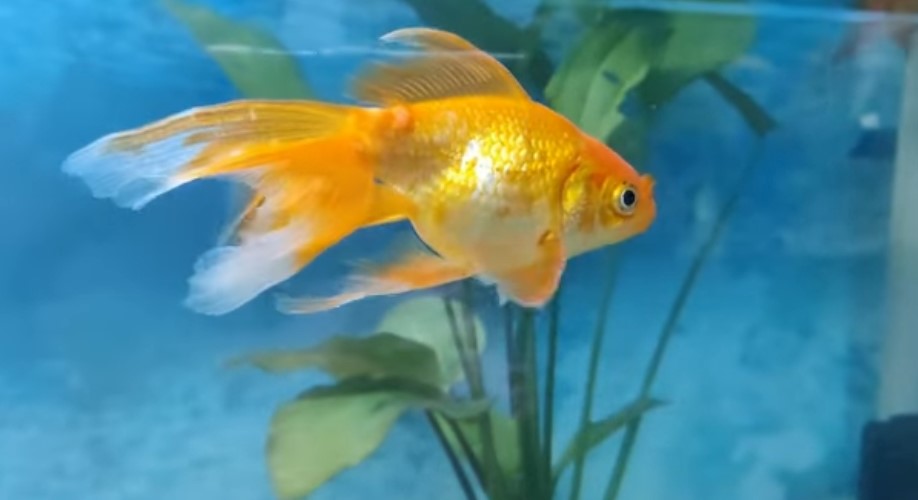
Embarking on the journey of setting up a freshwater fisj aquarium is an exciting venture. The centerpiece of this underwater world is, without a doubt, the fish themselves. Choosing the right fish is the most critical step toward a thriving, peaceful, and visually stunning aquarium. The wrong choices can lead to stress, disease, and aggression, turning a dream hobby into a frustrating chore.
The “best” fish isn’t just about the most colorful or unique species; it’s about selecting animals that are compatible with each other, suited to your tank size, and match your experience level.
This definitive guide will walk you through the top freshwater aquarium fish, categorized for beginners and beyond, to help you build a harmonious and beautiful aquatic community.
Chapter 1: The Golden Rules of Choosing Aquarium freshwater fish
Before we dive into the list, understanding these fundamental principles will ensure long-term success.
- Research, Research, Research: Never buy a fish on impulse. Understand its adult size, temperament, water parameter needs, and dietary requirements before it goes in your cart.
- The 1-Inch-Per-Gallon “Rule” (A Guideline, Not a Law): This old adage suggests you can stock one inch of adult fish body length per gallon of water. It’s a useful starting point for beginners but has flaws (a 10-inch fish does not belong in a 10-gallon tank!). Always prioritize the specific needs and waste production of the species.
- Consider Adult Size: That cute little fish in the store may grow to be a behemoth. Always plan for the fish’s full adult size, not its juvenile size.
- Temperament and Compatibility: You can’t mix predator and prey. Research which fish are peaceful, semi-aggressive, or aggressive. Also, note that some peaceful fish may have long fins that tempt nippers.
- Water Parameters Matter: Some fish need soft, acidic water, while others thrive in hard, alkaline water. While many common species are adaptable, striving for consistency is key. Always use a test kit.
- Start with a Cycled Tank: This is non-negotiable. Ensure your aquarium has fully completed the nitrogen cycle before introducing any fish. This establishes beneficial bacteria to process toxic waste.
Chapter 2: Top 5 Best Beginner freshwater fish (The Easy-Going Icons)
These freshwater fish are hardy, adaptable to a range of water conditions, peaceful, and readily available. They are the perfect foundation for any new aquarist’s first community tank.
1. Guppy (Poecilia reticulata)
- Why They’re Great: The quintessential beginner fish. Guppies are small, incredibly colorful, and active swimmers. They are livebearers, meaning they give birth to free-swimming fry, which can be a fascinating lesson in aquatic life.
- Care Level: Very Easy.
- Tank Size: 10 gallons minimum for a trio (1 male, 2 females).
- Temperament: Very peaceful.
- Note: Males have long, flowing tails; females are larger and plainer. They breed prolifically, so be prepared for babies if you keep both sexes.
2. Corydoras Catfish (Cory Cat, Cory)
- Why They’re Great: These are the best cleanup crew money can buy. These adorable, armored catfish scavenge the tank bottom for leftover food, keeping the substrate clean. They must be kept in groups of 6 or more, as they are highly social and shoaling fish. Watching them snuffle along the bottom in a group is endlessly entertaining.
- Care Level: Very Easy.
- Tank Size: 10 gallons for smaller species (like Panda Cory), 20+ gallons for larger groups.
- Temperament: Extremely peaceful and social.
- Note: They have delicate barbels (whiskers), so a soft sand or smooth gravel substrate is ideal.
3. Platy (Xiphophorus maculatus)
- Why They’re Great: Like guppies, platies are livebearers that are hardy, peaceful, and come in a stunning array of colors and patterns (like Mickey Mouse or Sunburst). They are slightly larger and sturdier than guppies.
- Care Level: Very Easy.
- Tank Size: 10 gallons
- Temperament: Very peaceful and great for community tanks.
- Note: They are prolific breeders. To avoid being overrun, keep only one sex or have a plan for the fry.
4. Zebra Danio (Danio rerio)
- Why They’re Great: Danios are the ultimate hardy, energetic fish. They are famous for their durability and ability to thrive in a wide range of conditions. Their constant zipping back and forth at the top of the freshwater fish tank brings dynamic energy to any aquarium.
- Care Level: Very Easy.
- Tank Size: 20 gallons minimum (long tanks are best for their swimming needs).
- Temperament: Peaceful but very active. Should be kept in schools of 6+.
- Note: Their hardiness makes them a classic choice for “cycling” a new tank, though fish-in cycling is not recommended.
5. White Cloud Mountain Minnow (Tanichthys albonubes)
- Why They’re Great: These small, shimmering freshwater fish are a perfect alternative to neon tetras for unheated tanks. They are exceptionally hardy, peaceful, and can tolerate cooler temperatures down to 60°F (15°C). Their red-tipped fins add a splash of color.
- Care Level: Very Easy.
- Tank Size: 10 gallons
- Temperament: Very peaceful. Must be kept in schools of 6+.
- Note: An excellent choice for cold-water or nano tanks where a heater isn’t desired.
Chapter 3: Best Peaceful Community Fish (The Harmonious Middle)
These fish are slightly less hardy than the “beginner icons” but are generally easy to care for and are staples of peaceful community tanks freshwater fish.
6. Neon Tetra (Paracheirodon innesi)
- Why They’re Great: The most iconic aquarium fish. Their brilliant blue and red iridescent stripes create a breathtaking shimmering effect when kept in a large school. They are a defining fish of the community aquarium.
- Care Level:
- Tank Size: 20 gallons minimum for a proper school.
- Temperament: Peaceful and shy. Must be kept in schools of 10+ to feel secure and display natural behavior.
- Note: Can be susceptible to “Neon Tetra Disease,” so buy from a reputable source and quarantine new fish.
7. Harlequin Rasbora (Trigonostigma heteromorpha)
- Why They’re Great: With their striking black “patch” and copper-orange bodies, these fish are both beautiful and robust. They are less prone to disease than neon tetras and form very tight, elegant schools that move in unison.
- Care Level:
- Tank Size: 10 gallons
- Temperament: Peaceful and schooling. Keep in groups of 8+.
- Note: They look spectacular against a backdrop of lush green plants.
8. Cherry Barb (Puntius titteya)
- Why They’re Great: One of the most peaceful barbs available. Males develop a stunning deep red color when they are happy and ready to breed. They are active, hardy, and show less of the fin-nipping behavior associated with other barb species.
- Care Level:
- Tank Size: 20 gallons
- Temperament: Keep in groups of 6+ to spread out any minor squabbling.
- Note: Their color intensifies based on their mood and health, serving as a great indicator of tank conditions.
Chapter 4: Best Centerpiece Fish (The Show-Stopping Focal Point)
These freshwater fish are larger, often more intelligent, and have personalities that make them the star of the tank. They are best added to an established community.
9. Dwarf Gourami (Trichogaster lalius)
- Why They’re Great: A beautiful, colorful labyrinth fish with flowing fins and a curious personality. They can breathe air from the surface, making them adaptable. They come in stunning color morphs like Powder Blue, Flame, and Honey.
- Care Level: Easy to Moderate.
- Tank Size: 20 gallons minimum for one.
- Temperament: Generally peaceful but can be slightly territorial with other gouramis. Usually fine with other community fish.
- Note: Males can be territorial with each other; keep only one per tank.
10. German Blue Ram (Mikrogeophagus ramirezi)
- Why They’re Great: Arguably one of the most beautiful freshwater fish, with electric blue spots, a yellow head, and dramatic black fins. They are a dwarf cichlid with fascinating behaviors.
- Care Level: They require stable, warm (82-85°F), and clean water.
- Tank Size: 20 gallons for a pair.
- Temperament: Peaceful but can be shy. Best kept in established pairs.
- Note: Not for beginners due to their sensitivity to water parameter fluctuations.
11. Betta Fish (Betta splendens)
- Why They’re Great: Known for their magnificent finnage and vibrant colors, Bettas have huge personalities. They are interactive and can even learn to recognize their owners.
- Care Level:
- Tank Size: 5 gallons absolute minimum for one fish. 10 gallons is better.
- Temperament: Males must be kept alone. They will fight other males and may even attack similarly colored fish or fish with long fins.
- Note: Contrary to myth, they cannot thrive in tiny bowls. They require a filtered, heated tank.
Chapter 5: Best Algae Eaters & Clean-Up Crew
These are essential utility players for a balanced ecosystem.
12. Bristlenose Pleco (Ancistrus cirrhosus)
- Why They’re Great: A fantastic algae-eater that stays a manageable size (4-5 inches), unlike the Common Pleco that can grow over two feet. Their unique “bristlenose” face is fascinating.
- Care Level:
- Tank Size: 20 gallons
- Temperament: Peaceful but can be territorial with other bottom-dwellers.
- Note: They also need a diet supplemented with sinking algae wafers and vegetables like zucchini.
13. Amano Shrimp (Caridina multidentata)
- Why They’re Great: The most effective algae-eating shrimp in the hobby. They are hardworking, peaceful, and fascinating to watch as they constantly graze on biofilm and soft algae.
- Care Level:
- Tank Size: 10 gallons
- Temperament: Entirely peaceful.
- Note: They cannot breed successfully in freshwater; the larvae require saltwater to survive.
14. Nerite Snail (Neritina natalensis)
- Why They’re Great: The best algae-eating snail. They are renowned for their ability to clean glass and decorations of stubborn algae. They come in beautiful patterned shells.
- Care Level: Very Easy.
- Tank Size: 5 gallons minimum for one.
- Temperament:
- Note: They lay white, sesame-seed-like eggs on hardscape, but the eggs will not hatch in freshwater.
15. Otocinclus Catfish (Oto Cat)
- Why They’re Great: Tiny, peaceful, and obsessed with soft algae like diatoms (brown algae). They are a perfect cleaning crew for smaller tanks.
- Care Level: They are sensitive to poor water quality and need an established tank with a natural algae supply.
- Tank Size: 10 gallons
- Temperament: Very peaceful and shy. Must be kept in groups of 6+.
- Note: They often don’t accept prepared foods initially, so they should only be added to a tank with plenty of natural algae to graze on.
Building Your Perfect Aquarium Community
The best approach is to build your community from the bottom up. Start with your schooling fish (tetras, rasboras, danios), add your bottom dwellers (corydoras, pleco), and finally, introduce a single centerpiece fish (gourami, betta). Always research aggression and compatibility between your chosen species.
Quarantine new fish for 2-4 weeks in a separate tank before adding them to your main display to prevent the spread of disease. Most importantly, be patient. Allow your tank to cycle, acclimate your fish slowly, and enjoy the process of creating a thriving, beautiful underwater world.
This other amazing post, “The Articulate Avian: A Comprehensive Guide to Unlocking Your Bird’s Speaking Potential”, might interest you. Check it out!
I hope you enjoyed this article, which focuses on “The Ultimate Guide to the Best Freshwater Fish for Your Aquarium”. You can share your thoughts and experiences with me in the comments section.