
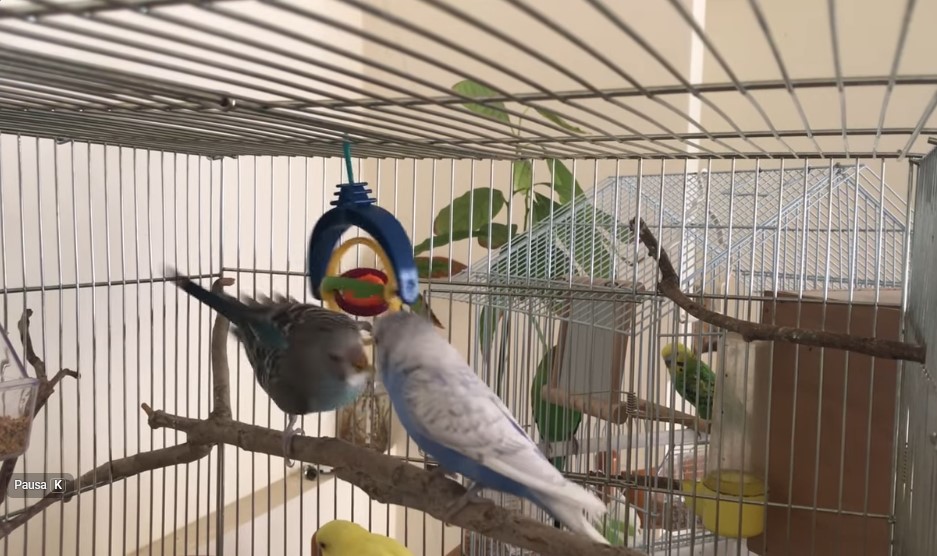
Bringing a parakeet (also commonly known as a budgerigar or budgie) into your home is an exciting adventure. These small, intelligent, and charismatic birds are known for their ability to learn words, their playful antics, and their strong social bonds.
As a responsible pet owner, your first and most important mission is to provide a safe and stimulating home for your new feathered friend. The cage you choose is more than just a container; it’s your parakeet’s territory,
its safe haven, its dining room, and its playground. It is the single most important piece of equipment you will buy.
Choosing the right cage can feel overwhelming with the countless options available. This ultimate guide will break down everything you need to know—from critical dimensions and safety features to the placement of perches and toys—to ensure you select the absolute best cage for your parakeet’s health, happiness, and well-being.
Chapter 1: The Non-Negotiables – Cage Size and Dimensions
The most common mistake new parakeet owners make is choosing a cage that is too small. While pet stores often market small, decorative cages, these are insufficient for a bird that is naturally active and flying.
The Golden Rule: Bigger is Always Better
A parakeet needs ample space to fly, hop, and play. The minimum recommended size for a single parakeet is:
- Length: 18 inches (46 cm)
- Width: 18 inches (46 cm)
- Height: 18 inches (46 cm)
However, this is an absolute minimum. If you can provide a larger cage, your bird will be significantly happier and healthier. For two parakeets, you should double the available space. A cage that is 30 inches long, 18 inches wide, and 18 inches high is a fantastic starting point for a pair.
Why is size so important?
- Exercise: Parakeets need to be able to flap their wings vigorously and make short flights within their cage to maintain muscle tone and cardiovascular health.
- Mental Health: A cramped cage leads to boredom, stress, and behavioral problems like feather plucking, screaming, and aggression.
- Territory: Birds need space to get away from each other (if housed together), their food dishes, and their droppings.
The Importance of Shape: Go Long, Not Tall
The shape of the cage is just as important as the volume. Parakeets are horizontal fliers, not vertical climbers like some parrot species.
- Prioritize Length: A cage that is long and wide is far superior to a tall, narrow one. Length provides crucial flight space.
- Avoid Round Cages: Round cages are deeply disorienting and stressful for birds. They offer no safe corners to retreat to and can lead to anxiety. Always choose a rectangular or square cage.
Chapter 2: Safety First – Construction and Materials
A safe cage prevents injury and illness. Scrutinize these construction details carefully.
1. Bar Spacing: The Critical Measurement
This is arguably the most important safety feature. Bar spacing must be narrow enough to prevent your parakeet from sticking its head through the bars, which could lead to fatal injury or escape.
- Ideal Bar Spacing for Parakeets: 1/2 inch (≈1.27 cm) or less.
- Absolute Maximum: 5/8 inch (≈1.6 cm). Anything wider is a serious hazard.
2. Bar Material and Finish
- Material: Powder-coated wrought iron or stainless steel are the best options.
- Powder-Coated: Affordable, durable, and comes in various colors. Ensure the coating is non-toxic and chip-resistant.
- Stainless Steel: The gold standard. It is incredibly durable, non-toxic, easy to clean, and impossible to rust. It is more expensive but will last a lifetime.
- Avoid: Zinc and lead are toxic to birds if chewed or ingested. Avoid cages with decorative elements that might be made of these metals. Also avoid cheap, painted cages where the paint can easily chip and be eaten.
3. Cage Design and Security
- Horizontal Bars: Ideally, at least one side of the cage should have horizontal bars. This allows your parakeet to climb and exercise its feet, which is a natural and enriching behavior.
- Secure Doors: Look for doors with reliable locks or latches. Parakeets are clever and can learn to lift simple slide latches. A secure door prevents escape.
- Play Top: Many cages come with a flat playtop on the roof, often with a perch and a ring for toys. This is an excellent feature as it provides a safe, out-of-cage area for play and interaction.
Chapter 3: Functional Features for Easy Care and Enrichment
A well-designed cage makes your life easier and your bird’s life more fun.
1. Access Doors
- Main Large Door: Allows you to easily access the interior for cleaning, setting up toys, and handling your bird.
- Seed Guard: A plastic rim around the bottom of the cage that helps contain thrown seed hulls and debris, making cleanup around the cage easier.
- Feeders: Look for cages with feeder doors. These small, exterior-mounted doors allow you to change food and water dishes without reaching into the cage and startling your bird.
2. The Base and Tray
- Pull-Out Tray: A non-negotiable feature. A slide-out grate over a drop-down tray allows droppings to fall away from the bird, keeping it cleaner. The tray should be easy to pull out and line with paper for daily cleaning.
3. Perches: Variety is Key
The dowel perches that come standard with most cages are terrible for a parakeet’s feet. They are uniform in size and can cause pressure sores and arthritis.
- Provide Variety: You must provide multiple perches of different diameters, textures, and materials.
- Natural Wood Perches: These are the best option. Their varying diameters exercise a bird’s feet and can be found at any pet store (e.g., manzanita, dragonwood).
- Cement or Sandy Perches: These help keep nails trimmed but should not be the primary sleeping perch as they are too abrasive for soft feet.
- Placement: Place perches at different heights, but avoid placing them directly over food or water dishes to prevent contamination from droppings.
4. Location, Location, Location
Where you place the cage in your home is vital for your parakeet’s social and mental health.
- The Heart of the Home: Place the cage in a room where the family spends a lot of time, like the living room. Parakeets are social flock animals and need to feel part of the family.
- Avoid:
- Kitchens: Fumes from non-stick cookware (Teflon) are fatal to birds. Also avoid fumes from cleaners and aerosols.
- Drafty Areas: Keep away from doors, windows, and air conditioning vents.
- Direct Sunlight: A corner with some natural light is great, but a cage in direct sun can quickly overheat.
- Height: Place the cage at or slightly above eye level. This makes the bird feel more secure. Placing a cage on the floor is terrifying for a prey animal.
Chapter 4: Top Cage Recommendations & Setup
Top Cage Picks:
- Best Overall: Prevue Hendryx F050 Pet Products Wrought Iron Flight Cage
- Why: This cage offers incredible value. Its dimensions (31″L x 20.5″W x 53″H) provide fantastic flight space for one or two parakeets. It has a secure front door, feeder doors, a playtop, a slide-out tray, and a 1/2-inch bar spacing. It’s a spacious, safe, and functional home.
- Best for a Single Bird & Budget: Yaheetech 54-inch Roof Top Cage
- Why: A smaller but still adequate and well-designed cage. It features a sturdy construction, a playtop, feeder doors, and the crucial 1/2-inch bar spacing, all at a very affordable price point.
- The Gold Standard (Investment Piece): King’s Cages Avalon Play Top Cage
- Why: Made from high-quality, non-toxic powder-coated iron, this cage is built to last a lifetime. Its design is bird-centric, with easy cleaning and safety as top priorities. It’s a beautiful and permanent home for your pet.
Setting Up the Interior of the Cage:
- Food and Water: Offer fresh water in a bowl and/or a water bottle. Provide a high-quality seed mix and a separate dish for fresh vegetables and pellets.
- Cuttlebone/Mineral Block: Essential for providing calcium and keeping the beak trimmed.
- Toys!: Parakeets need mental stimulation. Provide a variety of toys:
- Foraging Toys: Puzzles that hide treats.
- Shredding Toys: Made of bird-safe paper, wood, or palm leaves.
- Noise Toys: Bells and rattles.
- Swings & Ladders: For play and exercise.
- Rotate toys every few weeks to prevent boredom.
Chapter 5: Maintenance and Cleaning
A clean cage is a healthy cage. Establish a routine:
- Daily: Change water and food. Remove any fresh food. Line the bottom tray with newspaper or paper bedding and remove soiled paper.
- Weekly: Remove all accessories and perches. Wash the entire cage with hot water and a mild, bird-safe soap or a vinegar/water solution. Scrub perches and toys. Rinse everything thoroughly.
- Deep Clean: Monthly, do a more thorough disinfection of the cage base and bars.
A Home, Not Just a Cage
Choosing the best cage for your parakeet is the first and most profound act of care you can provide. By prioritizing ample flight space, unwavering safety, and enriching features, you are not just purchasing a product—you are investing in your bird’s long-term physical health and mental happiness.
A proper cage, placed in a loving social environment and filled with toys, perches, and healthy food, sets the stage for a vibrant, playful, and trusting companion for years to come. Remember, a happy parakeet is an active, engaged, and chatty member of the family, and it all starts with the right home.
This other amazing post, “The Ultimate Guide to the Best Freshwater Fish for Your Aquarium”, might interest you. Check it out!
I hope you enjoyed this article, which focuses on “The Ultimate Guide to Choosing the Best Cage for Your Parakeet”. You can share your thoughts and experiences with me in the comments section.