
In the wild, a bird’s life is a dynamic tapestry of foraging for food, evading predators, socializing with the flock, and exploring a vast, complex environment. Their days are filled with purpose and challenge.
In our homes, we provide them with safety, abundant food, and companionship, but we must also provide an essential substitute for the cognitive and physical stimulation their wild counterparts experience daily. This substitute comes primarily in the form of toys.
However, not all toys for birds are created equal. The wrong toy can be, at best, ignored. At worst, it can be a source of injury, toxicity, or profound fear. Selecting safe and appropriate toys is not a frivolous accessory to bird ownership; it is a fundamental pillar of avian welfare.
This guide will delve deep into the philosophy of avian play, the critical safety considerations every owner must know, and the various categories of toys that contribute to a truly enriched and fulfilling life for your feathered companion.
Part 1: The “Why” – The Critical Role of Toys in Avian Well-being
Toys are far more than mere decorations for a cage. They are vital tools that address the core needs of a captive bird.
- Mental Stimulation and the Prevention of Boredom:
Boredom is the root of most common behavioral problems in pet birds. A bored bird is a bird prone to:
- Feather Destructive Behavior (FDB): Plucking and chewing feathers out of frustration, anxiety, or lack of other outlets.
- Screaming and Vocalization: Excessive noise often serves as a call for attention or an expression of pent-up energy.
- Stereotypical Behaviors: Repetitive, purposeless actions like pacing or bar chewing.
Toys provide a necessary cognitive challenge, keeping a bird’s brain engaged and occupied, effectively acting as a preventative medicine against these issues.
- Physical Exercise:
Play promotes crucial physical activity. Climbing, swinging, hanging upside down, and flapping all help to:
- Maintain muscle tone and cardiovascular health.
- Improve coordination and balance.
- Combat obesity, a common problem in sedentary birds.
- Foraging Instinct Fulfillment:
In the wild, birds spend 60-80% of their waking hours searching for food. The simple act of eating from a bowl is profoundly unsatisfying from a behavioral perspective. Toys that hide treats or require manipulation to access food, known as foraging toys, allow birds to engage in this natural, rewarding behavior. This provides immense psychological satisfaction and dramatically reduces boredom. - Beak Maintenance:
A bird’s beak is constantly growing. They have a natural, driven need to chew and destroy to keep it worn down and in good condition. Toys made of destructible materials like soft woods, cardboard, and paper satisfy this innate urge in a safe and controlled way, preventing them from turning their destructive tendencies on furniture, cage bars, or their own feathers. - Emotional Well-being and Trust:
Interactive play with a trusted human strengthens the bond between owner and bird. It builds confidence in shy birds and provides a positive outlet for energy. A bird with a well-stocked arsenal of toys is a more confident, independent, and emotionally stable companion.
Part 2: The “What” – Deconstructing Toy Safety: A Vigilant Owner’s Checklist
Safety must be the absolute first priority when selecting any toys for birds. A thorough inspection is required before a toy ever enters your bird’s environment.
- Material Safety: The Non-Negotiables
- Metals: Never use toys with zinc, lead, or galvanized metals. These are toxic if ingested (through preening or chewing) and can cause heavy metal poisoning, which is often fatal. Only use stainless steel, nickel-plated, or powder-coated metals that are certified bird-safe. Avoid cheap, mystery-metal chains, clips, and bells.
- Plastics: Avoid brittle plastics that can splinter into sharp shards. Hard, durable acrylic is generally safe for larger birds to manipulate, but softer plastics should be avoided for powerful chewers. Ensure any plastic is non-toxic.
- Textiles: Cotton rope, hemp, and sisal are popular for perches and toys. However, ensure your bird is not a thread-puller. If they are, these toys must be removed or closely monitored, as ingested fibers can cause a life-threatening crop impaction. Use only 100% natural, undyed fibers. Avoid synthetic ropes.
- Woods: Only use wood from trees known to be safe for birds. Excellent choices include pine, balsa, basswood, maple, and manzanita. Never use wood from toxic trees like cherry, oak, redwood, or walnut. Ensure all wood is untreated, unpainted, and unstained. If you source wood yourself, ensure it has not been exposed to pesticides or herbicides.
- Design and Construction Hazards:
- Size Appropriateness: A toy perfect for a cockatiel can be a death trap for a macaw, and vice versa. Small parts intended for a large bird can be swallowed by a small bird, causing choking or internal blockage. Ensure all components (blocks, beads, parts) are too large to be swallowed whole.
- Quick Links: Always secure toys with stainless steel quick links (cargo clips) and fasten them tightly. The split rings that often come with toys can snap open or catch toes and beaks.
- Bells: The clapper inside a bell can be a hazard. Avoid bells with a narrow, slit-like opening where a beak or toe could get trapped. “Jingle bells” are particularly dangerous. Opt for safer, dome-shaped bells or those with a closed design.
- Chains: Ensure chain links are welded closed and not simply bent shut, which can open and snag a toe or beak.
- Clips and Fasteners: Inspect all hardware for sharp edges, pinch points, or weak spots that could break.
- The “Destructible vs. Indestructible” Balance:
A common mistake is only providing “indestructible” toys made of hard acrylic or thick plastic. While these are good for manipulation and play, they fail to satisfy a bird’s deep need to chew and destroy. A healthy toy box should have a balance:
- Destructible Toys: For chewing and shredding (wood, cardboard, paper, sola). These are consumables and need regular replacement.
- Manipulative Toys: For foraging and problem-solving (puzzle toys, acrylic forgers).
- Indestructible Toys: For physical play and companionship (stainless steel mirrors, heavy-duty swings, boings).
Part 3: The Toy Box – Categories of Enrichment and DIY Ideas
A stimulating environment offers variety. Rotate toys every 1-2 weeks to maintain novelty and prevent boredom.
- Foraging Toys:
These are the most important toys for mental health.
- Commercial: Puzzle boxes, foraging wheels, treat-dispensing balls.
- DIY: Hide treats in a crumpled paper ball, a cardboard egg carton, a paper bag, or a section of PVC pipe with caps on the ends and a few holes drilled in it.
- Destructible/Chewable Toys:
Essential for beak health and stress relief.
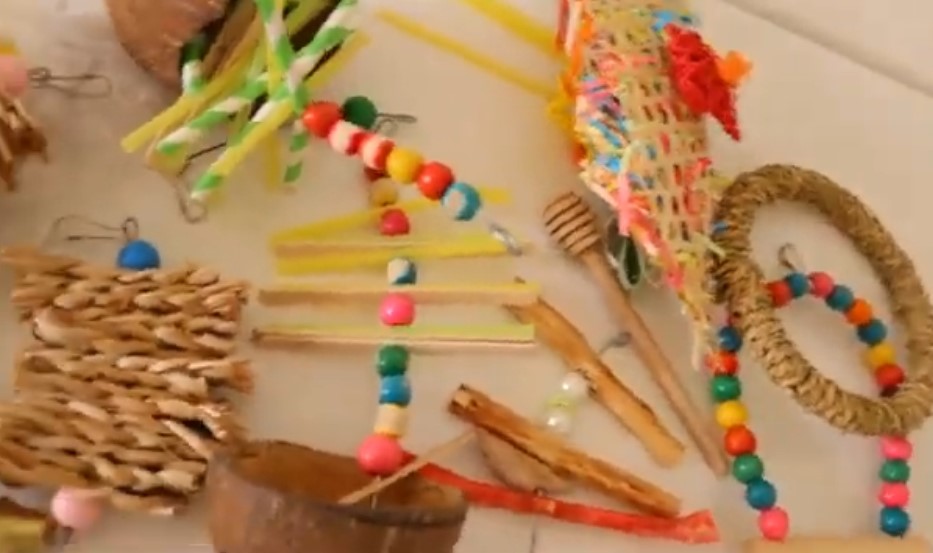
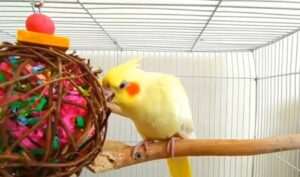
- Commercial: Wood blocks strung on leather, sola balls, shreddable kabobs made of palm leaf or yucca.
- DIY: String untreated, pesticide-free pine cones, coffee filters, or cardboard tubes from the top of the cage. Offer natural branches from safe trees as perches that also double as chew toys.
- Preening & Comfort Toys:
Especially important for single birds.
- Commercial: Cotton or hemp rope perches (with supervision), soft leather strips, and bird-safe “cuddle” toys.
- DIY: None needed; these are best purchased for safety.
- Manipulative & Puzzle Toys:
For the intelligent problem-solver (e.g., African Greys, Cockatoos, Parrots).
- Commercial: toys for birds with nuts and bolts to unscrew, keys to turn, and lids to open.
- DIY: String large, bird-safe beads and wooden blocks onto a stainless steel skewer.
- Physical & Exercise Toys:
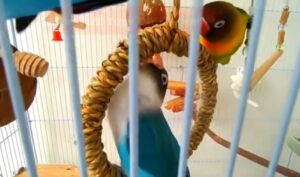
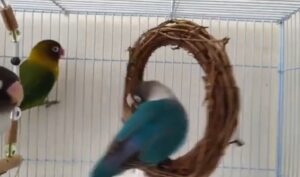
- Commercial: Boings (spiral rope perches), swings, ladders, and bungee-like toys.
- DIY: Secure a sturdy natural branch at an angle for climbing.
- Social & Interactive Toys:
- Commercial: Bird-safe mirrors (use with caution—can sometimes cause hormonal behavior), noisemakers.
- DIY: You are the best interactive toy. Spend time playing “birdie basketball” (rolling a ball back and forth) or teaching tricks with a chopstick target.
Part 4: Species-Specific Considerations
- Budgies & Cockatiels (Small Birds): Love swings, ladders, bells (safe ones), and shreddable toys. They enjoy mirrors but monitor for obsession.
- Conures & Quakers (Medium Birds): Energetic chewers. Require a constant supply of destructible wood toys, foraging toys for birds, and swings.
- African Greys (Intelligent Birds): Must have complex foraging and puzzle toys to challenge their formidable intelligence. Without them, they are highly prone to feather plucking.
- Cockatoos & Macaws (Powerful Chewers): Require the most heavy-duty, destructible toys. Large wooden blocks, thick cardboard, and indestructible stainless steel forgers are essential. Their powerful beaks can destroy unsafe toys in minutes, creating hazards.
The Art of Avian Enrichment
Providing safe toys for birds is an ongoing process of observation, experimentation, and education. It requires you to be a vigilant safety inspector, a creative toy maker, and an attentive student of your bird’s individual personality. Watch what they enjoy. Do they love to shred? Provide more paper and wood. Do they love to solve problems? Invest in more complex puzzle toys.
A bird’s toy box is not a static collection but a dynamic reflection of its needs. By investing time and resources into this critical aspect of care, you do more than just fill a cage; you build a environment of engagement, challenge, and joy.
You honor the wild spirit within your companion, providing them with a life not just of safety, but of profound and purposeful fulfillment. The reward is a vibrant, healthy, and happy bird whose natural behaviors are not suppressed, but celebrated and nurtured.
This other amazing post, “The Ultimate Guide to Choosing the Best Cage for Your Parakeet”, might interest you. Check it out!
I hope you enjoyed this article, which focuses on “The Aviary Arsenal: A Comprehensive Guide to Choosing Safe, Enriching Toys for Your Bird”. You can share your thoughts and experiences with me in the comments section.