
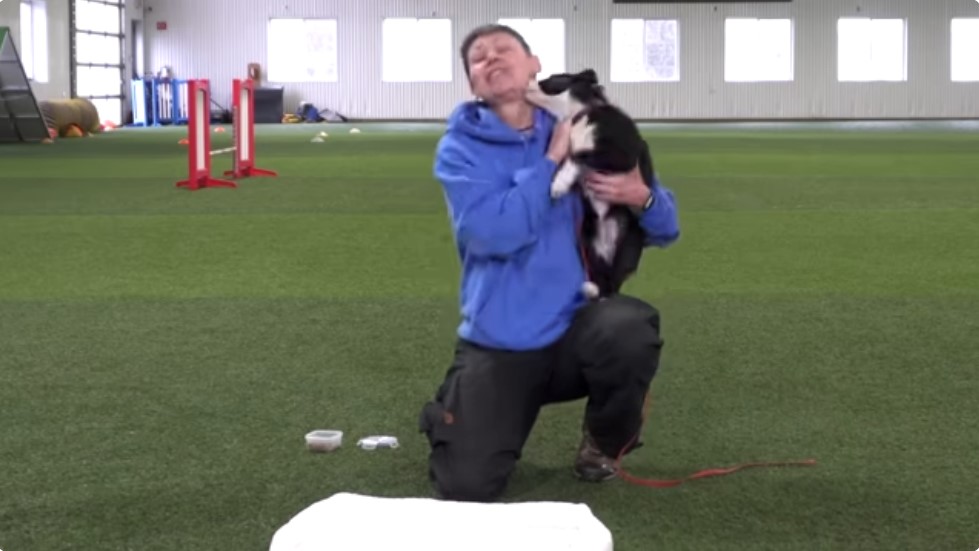
Hyperactive dog are naturally energetic animals, especially young ones or those of active breeds like Border Collies, Australian Shepherds, or Jack Russell Terriers.
However, sometimes this energy can tip over into hyperactivity, leading to behaviors like excessive barking, jumping, running in circles, and even destructive behaviors around the house. If your dog is overly excitable, it’s essential to learn how to manage this energy in a healthy way that promotes calmness and self-control.
In this article, we’ll discuss effective and easy-to-follow tactics that can help you calm your hyperactive dog, ensuring a happier, healthier home environment for both you and your pet.
Understanding Hyperactivity in Dogs
Hyperactivity in dogs can stem from a range of factors including breed, age, and individual temperament. However, it’s important to note that true hyperactivity, often known as “hyperkinesis,” is rare and typically requires diagnosis by a veterinarian. For most dogs, what seems like hyperactivity is actually just an abundance of energy that hasn’t been properly channeled.

Understanding what triggers your dog’s excitement can help you manage their behavior effectively. Dogs often become hyperactive due to factors such as:
- Lack of exercise
- Mental stimulation needs
- Excitement around people or other animals
- Unmet socialization needs
With the right strategies, you can help calm your dog’s behavior, improve focus, and build a stronger relationship.
1. Daily Exercise is Essential
One of the most common reasons for hyperactive behavior in dogs is simply pent-up energy. Ensuring your dog gets enough physical exercise every day is one of the most effective ways to reduce hyperactivity.
Tactics for Exercise:
- Walks and Runs: Regular, long walks or runs (depending on the dog’s energy level and breed) are great for burning off energy.
- Fetch and Frisbee Games: Playing fetch is a great way to get your dog moving without exhausting yourself.
- Obstacle Courses: Set up a mini obstacle course in your yard or at a park to give your dog a fun workout.
For breeds with high energy, a daily walk alone may not be enough. Adding running or activities like agility training can help wear them out physically, which in turn makes them calmer and more focused at home.
2. Mental Stimulation: Engage Your Dog’s Mind
Physical exercise alone isn’t enough for many hyperactive dogs. They need mental challenges to keep them engaged and focused. Dogs that are mentally stimulated are generally calmer and happier, as mental tasks provide them with an outlet for their natural instincts and intelligence.
Activities for Mental Stimulation:
- Puzzle Toys and Food-Dispensing Toys: These toys require dogs to think and problem-solve to access their treats or kibble, keeping them occupied and focused.
- Scent Games: Dogs have an exceptional sense of smell. Hide treats around the house or yard and let your dog “hunt” for them.
- Training Sessions: Short training sessions are excellent for both mental stimulation and reinforcing positive behavior. Teaching your dog new commands or tricks keeps their mind engaged and encourages focus.
3. Establish a Consistent Routine
Dogs thrive on routine, and having predictable activities each day can help them remain calm. A consistent routine helps them know what to expect, reducing anxiety and hyperactivity caused by uncertainty or overstimulation.
Routine Suggestions:
- Set Times for Walks, Feeding, and Play: If your dog knows when they can expect exercise, meals, and playtime, they’re less likely to feel anxious or overexcited at random times.
- Regular Rest Periods: Make sure your dog has time to rest and nap throughout the day. Overstimulated dogs can become hyperactive if they’re too tired and restless.
4. Practice Calm Reinforcement
Dogs often mirror the energy of their surroundings. If you approach them with high excitement, they’ll likely respond with the same energy. Practicing calm reinforcement can teach your dog that calm behavior is rewarded, while hyperactive behavior is not.
Techniques for Calm Reinforcement:
- Ignore Overexcitement: If your dog jumps up, barks excessively, or gets too excited, calmly turn away and ignore them until they settle down.
- Reward Calm Behavior: When your dog is sitting quietly or lying down calmly, reward them with treats, a gentle pet, or verbal praise. This helps reinforce the idea that calmness brings positive attention.
- Approach Slowly: When greeting your dog, avoid using a high-pitched voice or fast movements. Speak in a calm, low tone and approach slowly to avoid creating excitement.
5. Create a Safe and Quiet Space
Having a designated space where your dog can retreat to when they need calm time can be incredibly beneficial. This space serves as a “quiet zone” for them to unwind, particularly useful during times when they might be overstimulated, such as when guests are over or there’s a lot of noise in the house.
Creating a Calm Space:
- Choose a Comfortable, Quiet Area: A corner of a room with minimal distractions is ideal.
- Add a Bed or Blanket: Place a soft bed or blanket in the area to make it inviting and comfortable.
- Use Calming Aids: Some dogs respond well to calming scents or sounds. Consider using a dog-safe diffuser with calming essential oils or a white noise machine to create a serene environment.

6. Teach Impulse Control Commands
Impulse control exercises teach your dog self-discipline, helping them learn to control their excitement and respond calmly. Training your dog to obey impulse control commands can help reduce hyperactivity in various situations.
Impulse Control Exercises:
- “Sit” and “Stay” Commands: Teaching your dog to sit and stay before meals, treats, or playtime helps reinforce patience and calmness.
- “Wait” for Doors: When leaving the house, have your dog wait calmly at the door before allowing them to go out. This can prevent excited lunging or pulling as they anticipate going outside.
- “Leave It” Command: Training your dog to leave objects or food on command strengthens impulse control and focus, which can help reduce hyperactive behavior.
7. Use Dog Calming Products
Various calming products are available that can help reduce anxiety and hyperactivity in dogs. While these products may not solve the underlying issue, they can provide temporary relief in stressful situations.
Types of Calming Products:
- Calming Collars or Diffusers: Some collars and diffusers release dog-friendly pheromones that can have a calming effect.
- Anxiety Wraps or Vests: These wraps apply gentle pressure to your dog’s body, which can have a soothing effect. Popular products like the ThunderShirt are designed to reduce anxiety in situations like thunderstorms, vet visits, or travel.
- Natural Calming Treats: Certain treats contain ingredients like chamomile, L-theanine, or CBD (if legal and approved by a vet) that can help relax anxious or hyperactive dogs.
8. Consider Socialization Opportunities
Hyperactive dogs often benefit from social interactions with other dogs, as these interactions provide them with exercise and mental stimulation. Regular, positive play sessions with other well-matched dogs can help them burn off energy in a healthy way.
Socialization Tips:
- Doggy Daycare: Many doggy daycares provide supervised playtime with other dogs, which can help release excess energy and improve social skills.
- Playdates: Arrange playdates with dogs that your pet gets along with. Familiar playmates can make for more enjoyable interactions without the stress of meeting new dogs every time.
- Dog Parks: If your dog is comfortable with it, dog parks offer a great environment for them to run and play freely.
9. Try Relaxing Activities
Dogs, like humans, can benefit from relaxation exercises and bonding activities that help reduce their stress and hyperactivity levels.

Relaxation Activities:
- Massage: Gently massaging your dog can help them relax, promoting calmness and relieving tension.
- Slow, Gentle Walks: Instead of always focusing on high-energy exercise, sometimes a slow, gentle walk can help dogs unwind.
- Dog Yoga (Doga): Practicing gentle yoga poses with your dog can encourage them to relax alongside you, especially when combined with calm breathing exercises.
Calming Your Dog in a Positive and Gentle Way
Calming a hyperactive dog requires patience, consistency, and understanding. Each dog is unique, and what works for one may not work for another. Experiment with the different tactics discussed here, paying attention to what resonates best with your dog’s personality and energy levels. By focusing on positive reinforcement, regular exercise, mental stimulation, and creating a calm environment, you can help your dog learn to manage their energy and become a happier, more balanced companion.
Taking small, consistent steps to reduce hyperactivity can make a significant difference in your dog’s overall behavior and mood. Building a calm, trusting relationship with your pet leads to a more harmonious home and a strong bond that allows your dog to feel safe, loved, and secure.
This Other Extraordinary Post “How to Tell if Your Dog is Afraid: Recognizing Signs of Fear in Dogs” May Interest You Come In and Check It Out!!!
I hope you enjoyed the publication of this article emphasizing “Easy to Follow Tactics to Calm Your Hyperactive Dog”. You can share your opinions and experiences with me in the comments section.