
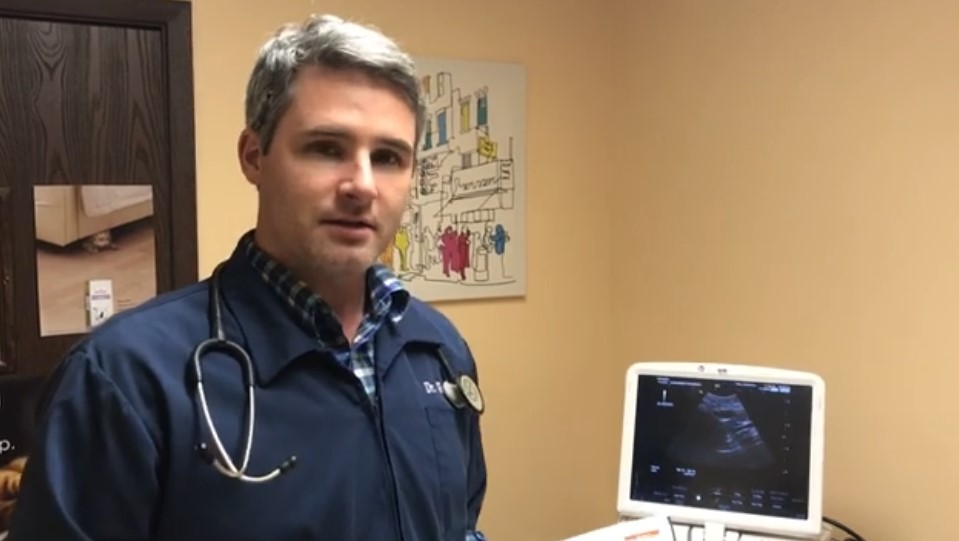
Ultrasound for dog technology has become an invaluable tool in veterinary medicine, allowing veterinarians to examine the internal organs and tissues of animals in a non-invasive and safe manner.
While many pet owners may be familiar with ultrasound for humans, particularly during pregnancy, it’s less commonly understood how it can benefit dogs. In veterinary practices, ultrasounds are used to diagnose a variety of conditions, guide treatments, and sometimes monitor ongoing health issues.
In this article, we’ll discuss the basics of ultrasound for dogs, covering how it works, the common cases when it’s necessary, and what pet owners can expect from the procedure. Understanding ultrasound’s role in veterinary care can help owners make informed decisions for their pets’ health and well-being.
1. What is Ultrasound and How Does it Work?
Ultrasound imaging, also known as sonography, uses high-frequency sound waves to create detailed images of organs and tissues inside the body. Unlike X-rays, which are best suited for imaging hard structures like bones, ultrasound is ideal for soft tissues, such as the heart, liver, kidneys, bladder, and intestines.
- Sound Waves and Imaging: An ultrasound machine emits sound waves through a device called a transducer, which is placed on the dog’s skin over the area to be examined. These sound waves penetrate the body and bounce back when they encounter different types of tissues. The transducer detects these echoes and sends data to a computer, which converts them into real-time images that can be viewed on a screen.
- Non-Invasive and Painless: One of the biggest advantages of ultrasound is that it is non-invasive and painless. It doesn’t involve radiation or harmful chemicals, making it a safe option for examining sensitive areas and repetitive diagnostics if needed.
- Dynamic Imaging: Ultrasound allows for real-time imaging, which means that veterinarians can observe the movement of internal organs, blood flow, and other bodily functions. This capability is particularly useful for diagnosing issues like heart abnormalities or observing fetal movement in pregnant dogs.
2. Common Types of Veterinary Ultrasound for Dogs
In veterinary medicine, ultrasounds are performed for various reasons, and the type of ultrasound will depend on the area of concern. Here are a few common types:
- Abdominal Ultrasound: This is one of the most frequent types of ultrasound performed on dogs. It provides a detailed view of organs within the abdomen, such as the liver, spleen, kidneys, bladder, stomach, and intestines. It can help detect issues like tumors, blockages, cysts, and infections.
- Cardiac Ultrasound (Echocardiogram): A cardiac ultrasound is used to examine the heart’s structure and function, making it essential for diagnosing heart disease, arrhythmias, or other cardiovascular conditions. Cardiac ultrasounds are particularly useful for older dogs and breeds that are prone to heart problems.
- Pregnancy Ultrasound: Ultrasound is commonly used to confirm pregnancy in dogs and to monitor the development and health of the fetuses. Unlike X-rays, which are typically only used later in pregnancy, ultrasound can detect pregnancy as early as 25-30 days after conception.
- Musculoskeletal Ultrasound: In cases of lameness, muscle tears, or tendon injuries, an ultrasound can be used to examine muscles, tendons, and ligaments. This type of ultrasound is often used in conjunction with other imaging techniques, such as X-rays, to assess bone and joint health.
- Guided Procedures: Ultrasound can also be used to guide certain procedures, such as biopsies or fluid aspiration, with greater accuracy. For instance, if a veterinarian needs to take a sample from a specific organ or cyst, ultrasound can help pinpoint the exact location, minimizing the risk of complications.
3. When is Ultrasound Necessary for Dogs?
Ultrasound can be recommended in a variety of situations, depending on the symptoms or health concerns a dog is experiencing. Here are some of the most common scenarios:
a. Unexplained Symptoms or Abnormal Bloodwork
When a dog shows symptoms such as vomiting, diarrhea, weight loss, abdominal pain, or changes in appetite that aren’t easily explained, an abdominal ultrasound can provide further insight. Similarly, if routine bloodwork reveals abnormal liver or kidney enzymes, an ultrasound can help identify potential causes, such as tumors, cysts, or inflammation.
b. Detecting and Monitoring Tumors
Ultrasound is frequently used to detect and assess tumors in dogs. It can help determine whether a mass is solid or fluid-filled, its exact location, and its size. This information is crucial for deciding the next steps, whether that’s surgical removal, a biopsy, or continued monitoring. For dogs already diagnosed with cancer, ultrasound can help monitor the effectiveness of treatment and check for metastasis.
c. Evaluating Organ Health and Function
For dogs with suspected organ issues, such as liver disease, kidney disease, or pancreatitis, ultrasound provides a clearer view of the organ’s condition. For instance, it can show structural abnormalities in the liver, indicate swelling or fluid around organs, and provide evidence of infection or inflammation.
d. Confirming Pregnancy and Monitoring Fetal Health
Ultrasound is a valuable tool for breeders and veterinarians to confirm pregnancy in dogs and monitor fetal development. Early detection allows breeders and owners to prepare for whelping and ensure the health of both the mother and her puppies. It can also help detect potential complications, allowing for early intervention if needed.
e. Investigating Heart Conditions
For breeds predisposed to heart disease or dogs exhibiting symptoms like coughing, lethargy, or difficulty breathing, a cardiac ultrasound (echocardiogram) may be recommended. This test can reveal heart defects, valve issues, or abnormal blood flow, and it’s often essential for planning treatment or managing ongoing conditions.
f. Guiding Surgical or Diagnostic Procedures
When a dog requires a biopsy, fluid drainage, or other invasive procedures, ultrasound can be used to guide the process. By identifying the exact location of an abnormality, the veterinarian can perform the procedure with greater precision and reduce the risk of harming surrounding tissues.

4. What to Expect During an Ultrasound for Your Dog
If your veterinarian has recommended an ultrasound for your dog, here’s what you can typically expect:
a. Preparation and Fasting
In some cases, your dog may need to fast for several hours before the ultrasound, especially if the abdomen is being examined. Fasting helps prevent gas buildup, which can obscure the images. However, not all ultrasounds require fasting, so follow your vet’s specific instructions.
b. Shaving the Area
To obtain a clear image, the area being examined is typically shaved to allow better contact between the transducer and the skin. For example, if an abdominal ultrasound is required, the vet will likely shave the dog’s belly.
c. Sedation (If Needed)
Most dogs tolerate ultrasounds well and remain calm throughout the procedure. However, if a dog is anxious, uncooperative, or experiencing pain, mild sedation may be administered. Sedation helps the dog stay still, ensuring high-quality images.
d. Procedure Time and Immediate Results
The ultrasound itself usually takes 15 to 45 minutes, depending on the complexity and the area being examined. The veterinarian or a veterinary radiologist interprets the images, often providing preliminary results immediately. For more complex cases, the images may be sent to a specialist, and results may take a few days.
e. Follow-Up and Next Steps
Depending on the findings, follow-up appointments or additional tests may be recommended. For instance, if a tumor is detected, the vet may suggest a biopsy or surgery. If a heart condition is diagnosed, they may discuss medication options or lifestyle adjustments.
5. The Benefits of Ultrasound in Veterinary Care
Ultrasound provides a safe, non-invasive, and highly informative way to assess a dog’s health. Here are some benefits of using ultrasound for veterinary diagnostics:
- Non-Invasive Procedure: Ultrasound doesn’t require incisions, making it a low-risk option for dogs of all ages. It’s especially useful for older or medically fragile dogs who may not tolerate more invasive procedures.
- Real-Time Imaging: The ability to view images in real-time allows veterinarians to observe organ function, blood flow, and fetal movement. This capability is essential for accurately diagnosing conditions related to heart health, pregnancy, and dynamic organ function.
- No Radiation Exposure: Unlike X-rays, ultrasound doesn’t expose dogs to radiation. This makes it safer, particularly for pets that may need repeated imaging over time.
- Cost-Effective and Versatile: Ultrasound is a relatively cost-effective diagnostic tool compared to more advanced imaging, such as MRI or CT scans. It can be used for a wide range of conditions, making it versatile and accessible.

Is Ultrasound Right for Your Dog?
Ultrasound is a powerful diagnostic tool that plays a vital role in veterinary care. Whether for diagnosing unexplained symptoms, evaluating organ health, guiding biopsies, or confirming pregnancy, ultrasound provides critical insights without the need for invasive surgery or exposure to radiation.
If your veterinarian recommends an ultrasound, it’s likely because they want a clearer picture of your dog’s internal health to make informed, effective decisions for treatment. By understanding how ultrasound works and what to expect, you can feel confident in your decision to use this valuable tool to support your dog’s health and well-being.
This Other Extraordinary Post “Dog Jackets: Protection and Style for Every Season” May Interest You Come In and Check It Out!!!
I hope you enjoyed the publication of this article emphasizing “Ultrasound for Dogs: How Does It Work and When is It Necessary?”. You can share your opinions and experiences with me in the comments section.