
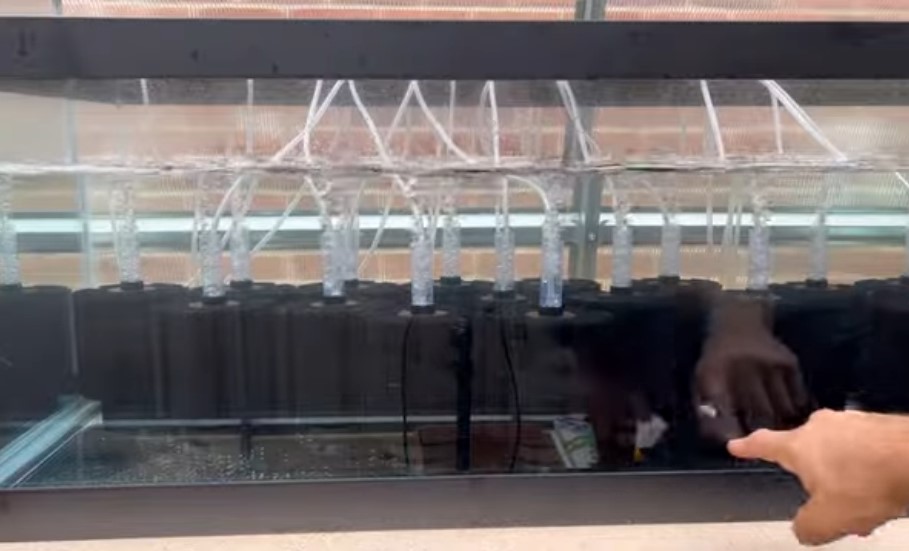
Fish tank cycling is not a mere suggestion; it is the fundamental, non-negotiable foundation upon which all aquatic life depends. It is the process of cultivating a colony of beneficial bacteria that will process harmful fish waste, creating a safe and stable environment. To skip cycling is to sentence your fish to a toxic environment.
The moment of inspiration strikes: a beautiful aquarium, a tranquil underwater world teeming with colorful life. You acquire the tank, the gravel, the filter, the heater, and of course, the fish.
In a rush of excitement, you set it all up, fill it with water, and introduce your new pets to their home. Days later, you’re faced with a confusing and heartbreaking scene: lethargic fish, gasping at the surface, or worse. This tragic scenario, known as “New Tank Syndrome,” is the direct result of skipping the single most important process in aquarium keeping: cycling.
This guide will demystify the science behind the nitrogen cycle, provide a step-by-step walkthrough of different cycling methods, and equip you with the knowledge to build a thriving aquatic ecosystem from the ground up.
Part 1: The Why – Understanding the Nitrogen Cycle
At its core, Fish tank cycling is about managing waste. Fish produce waste constantly through their gills (ammonia) and their feces. Uneaten food and decaying plant matter also contribute to this waste. In a closed system like an aquarium, these toxins accumulate rapidly to lethal levels unless they are processed. This is where the beneficial bacteria, your invisible filtration army, come in.
The Nitrogen Cycle is a three-stage biological process:
Stage 1: Ammonia (NH³) – The Primary Killer
Ammonia is highly toxic to fish, causing burns to the gills and skin, damaging internal organs, and suppressing their immune systems. Even low concentrations (as low as 0.5-1.0 ppm) can cause significant stress and death. Ammonia is the initial waste product that kicks off the entire cycle.
Stage 2: Nitrite (NO²) – The Secondary Threat
As ammonia begins to accumulate, it provides a food source for the first type of beneficial bacteria, called Nitrosomonas. These bacteria colonize surfaces with high water flow and oxygen, primarily in your filter media (sponges, ceramic rings, bio-balls) and your substrate. They consume ammonia and convert it into nitrite.
Crucially, nitrite is also highly toxic. It binds to the hemoglobin in fish’s blood, preventing oxygen transport, a condition known as “brown blood disease.” Fish will gasp at the water surface even in well-oxygenated water.
Stage 3: Nitrate (NO³) – The Manageable End Product
The presence of nitrite allows the second type of beneficial bacteria, Nitrospira and Nitrobacter, to establish themselves. These bacteria consume nitrite and convert it into nitrate.
Nitrate is far less toxic than ammonia or nitrite. Low levels (typically 5-40 ppm, depending on the species) are tolerated by most fish. It is the final product of the nitrogen cycle and is primarily removed through regular partial water changes.
The Goal of Cycling: To establish large, robust colonies of both Nitrosomonas and Nitrospira bacteria so that ammonia and nitrite are processed into nitrate as quickly as they are produced, effectively keeping their concentrations at zero.
Part 2: The How – Methods for Cycling Your Fish tank cycling
There are three primary methods to cycle an aquarium, each with its own advantages, disadvantages, and timeframes.
Method 1: Fish tank cycling (The Traditional, But Risky, Method)
This method uses hardy fish themselves as the source of ammonia.
- Process: A few small, hardy fish (like Zebra Danios or White Cloud Minnows) are added to the tank. Their waste produces ammonia, which begins to feed the bacterial colonies.
- The Major Drawback: This is an inherently cruel process. The fish are forced to live in the very toxins (ammonia and nitrite) that cause them immense stress, suffering, and often death. They often suffer permanent health damage.
- If You Must: It requires an enormous amount of work and vigilance. You must test the water daily and perform frequent, often large, water changes (sometimes 25-50% daily) to keep ammonia and nitrite levels as low as possible. The use of water conditioners that detoxify ammonia (e.g., Seachem Prime) is essential. This method is strongly discouraged by the modern aquarist community.
Method 2: The Fishless Cycle (The Gold Standard)
This is the recommended, humane, and most reliable method. It involves adding a pure ammonia source to the tank without any fish present.
- Process:
- Set Up: Fully set up your tank—filter, heater (set to 82-87°F / 28-30°C to speed up bacterial growth), substrate, and decorations. No fish.
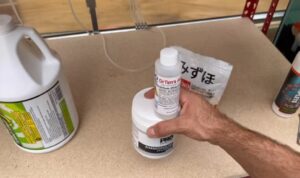
- Dose Ammonia: Add a pure, unscented ammonia source (no surfactants or additives) or a specialized cycling product like Dr. Tim’s Ammonium Chloride. Dose to bring the ammonia concentration to 2-4 ppm. Use a water test kit to measure this.
- Wait for Nitrites: Test every few days. After a week or two, you will see ammonia levels start to drop and nitrite levels spike from zero. This signals the first bacteria (Nitrosomonas) are establishing.
- Continue Dosing: Continue dosing ammonia back up to 2-3 ppm every time it drops below 1 ppm. You are “feeding” the bacterial colonies.
- Wait for Nitrates: After another week or two, you will see nitrite levels suddenly plummet and nitrate levels appear and rise. This signals the second bacteria (Nitrospira) are now present.
- The Final Test: When your tank can process 2-3 ppm of ammonia all the way to nitrate in 24 hours, with both ammonia and nitrite reading 0 ppm at the end of that period, your cycle is complete.
- Timeframe: A fishless cycle typically takes 4-8 weeks.
Method 3: The Silent Cycle (Using Live Plants)
This method leverages the power of live aquatic plants, which are not just decorations but active participants in the ecosystem.
- Process: A tank is heavily planted from the start with fast-growing plants like Hornwort, Water Wisteria, and Elodea. These plants are incredible consumers of ammonia and nitrates; they can often absorb these nitrogenous wastes directly, using them as fertilizer, even before the bacterial colonies have fully established.
- How it Works: With a light fish stock added slowly, the plants consume the ammonia produced so efficiently that dangerous spikes are prevented. The bacterial colony still establishes, but it does so in the background, aided by the plants. You may never see a significant ammonia or nitrite reading.
- Requirements: Requires knowledge of planted aquariums, appropriate lighting, and potentially nutrient-rich substrate and fertilizers. It’s the most natural and beautiful method, but it requires more initial setup.
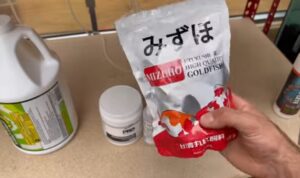
Part 3: The Toolkit – Essential Supplies for a Successful Cycle
You cannot cycle a tank blind. These tools are mandatory.
- Water Test Kit: This is your window into the invisible process. Liquid test kits (like the API Freshwater Master Test Kit) are far more accurate and reliable than test strips. You will need to test for Ammonia, Nitrite, Nitrate, and pH.
- A Pure Ammonia Source (for Fishless Cycling): Must be pure ammonium hydroxide with no additives.
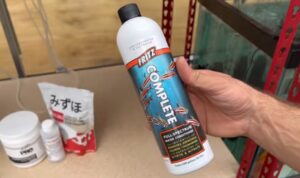
- Water Conditioner/Dechlorinator: Tap water contains chlorine and chloramines, which are added to kill bacteria. They will also kill the beneficial bacteria you’re trying to grow. A conditioner instantly neutralizes these chemicals. This is non-negotiable for any water added to the tank.
- Filter Media: This is the real estate for your bacteria. High-surface-area media like ceramic rings, lava rock, or specialized bio-media are far superior to cartridges. The bacteria need a constant flow of oxygenated water, which is why the filter is their primary home.
- Patience: This is the hardest ingredient to acquire. You cannot rush biology.
Part 4: The Timeline and Troubleshooting
Typical Cycling Timeline (Fishless Method):
- Week 1-2: Ammonia levels begin to drop. Nitrites appear and rise sharply.
- Week 3-5: Ammonia continues to drop rapidly after each dosing. Nitrites peak and then suddenly crash. Nitrates appear and begin to rise.
- Week 5-8: Both ammonia and nitrite read 0 ppm within 24 hours of adding an ammonia dose. The cycle is complete.
Common Hiccups and Solutions:
- The Cycle Has Stalled:
- Cause: pH crash. Bacterial reproduction slows to a near halt in acidic water (pH below 6.0).
- Solution: Perform a partial water change to raise the pH and KH (carbonate hardness, which stabilizes pH).
- No Nitrites Appearing:
- Cause: The initial bacteria may not have been introduced.
- Solution: “Seed” the tank with beneficial bacteria from an established, healthy tank. This can be done with a handful of used substrate, a used filter sponge, or even by squeezing a dirty filter sponge into the new tank water. Commercial bottled bacteria products (e.g., Tetra SafeStart, API Quick Start) can also help, though results vary.
- High Nitrates at the End: This is normal and expected. A large (50%) water change is performed right before adding fish to lower the nitrate level to a safe starting point.
The Reward for Patience
Cycling a fish tank is the ultimate test of an aquarist’s patience and commitment to animal welfare. It is a process that cannot be circumvented. While the wait can be frustrating, viewing it as an opportunity to learn about the intricate biology of your new ecosystem transforms it from a chore into a fascinating project.
The reward for this patience is immense: a stable, healthy, and resilient aquarium. A fully cycled tank means robust fish with vibrant colors, strong immune systems, and natural behaviors. It means you can sleep soundly knowing your aquatic pets are thriving in a safe environment, free from the silent threat of toxic poisoning.
By investing the time to cycle correctly, you are not just setting up a tank; you are building a living, breathing world that will bring you joy and tranquility for years to come. It is the first and most important responsibility of every aquarist, and the true foundation of a successful underwater hobby.
This other amazing post, “10 Inspiring Aquascaping Ideas to Transform Your Aquarium into a Living Artwork”, might interest you. Check it out!
I hope you enjoyed this article, which focuses on “The Aquarist’s Rite of Passage: Guide to The Nitrogen Cycle and Fish Tank Cycling”. You can share your thoughts and experiences with me in the comments section.