
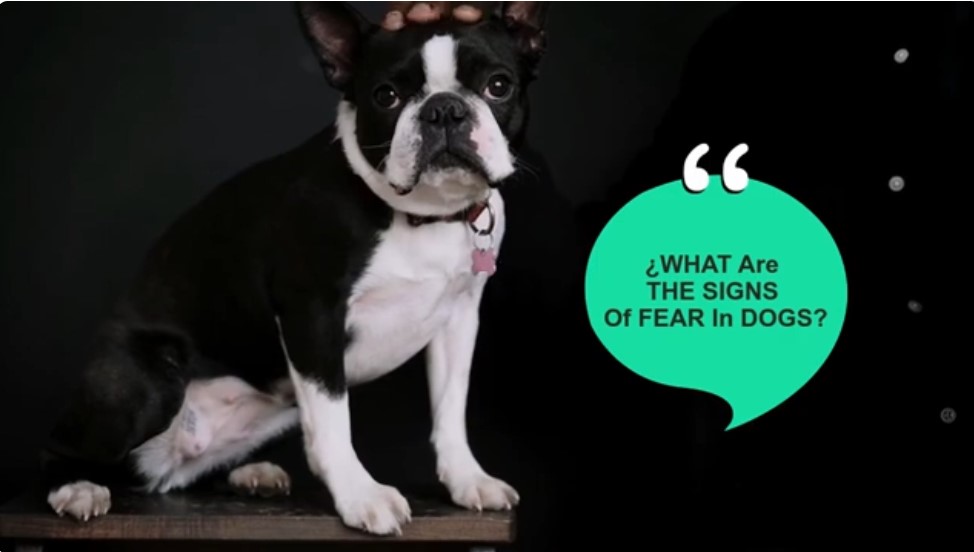
Dogs, like humans, experience a range of emotions, including fear in dogs. However, unlike us, they can’t communicate their feelings verbally, which means pet owners need to pay close attention to their dog’s body language, behaviors, and responses to different situations.
Knowing how to recognize signs of fear in your dog can help you address their discomfort, prevent anxiety, and maintain a positive relationship. This article will cover the ways to tell if your dog is feeling afraid, common triggers of fear, and how to respond compassionately to help them feel safe and secure.
Why Dogs Feel Fear
Dogs experience fear for various reasons, just like humans. Fear in dogs is an adaptive response to potential threats, helping animals react quickly to danger. However, dogs can feel fear not only due to immediate threats but also because of past trauma, unfamiliarity, loud noises, certain types of human behavior, and new environments.

For dogs, especially those who have experienced mistreatment, fear can be a deep-rooted and sometimes overwhelming emotion. Some dogs are naturally more anxious or sensitive, while others may develop fear based on particular events or circumstances. Learning to recognize fear in dogs is the first step toward helping them overcome it and building trust.
Signs of Fear in Dogs
Recognizing the signs of fear in dogs requires keen observation. Here are the most common signs and behaviors that indicate your dog may be afraid:
1. Tail Position
A dog’s tail position is one of the clearest indicators of their emotional state:
- Tail Tucked Between the Legs: When a dog feels scared, they often tuck their tail between their legs. This posture is an instinctive response to make themselves appear smaller and less noticeable.
- Low or Drooping Tail: Some dogs may hold their tail low or even slightly curled under their bodies when they’re anxious but not terrified.
A wagging tail doesn’t always mean happiness; some dogs will wag their tails when they’re nervous, so observing the other body language alongside tail movement is essential.
2. Flattened Ears
In fearful situations, dogs often flatten their ears against their heads. This makes their ears less visible, a response that can indicate submission or fear. While some dogs’ ears naturally sit back or droop, flattened ears in combination with other signals often suggest anxiety or fear.
3. Dilated Pupils and Avoiding Eye Contact
When dogs are fearful, their eyes might look different. Signs to look for include:
- Dilated Pupils: In moments of fear, dogs’ pupils may widen significantly.
- “Whale Eye”: This is when the whites of the dog’s eyes are visible, typically due to them looking sideways while avoiding direct eye contact. This is a strong indicator that a dog feels nervous or fearful.
- Avoiding Eye Contact: A scared dog often avoids looking directly at a person or animal, trying to appear submissive and avoid confrontation.
4. Trembling or Shaking
Trembling is a common response to fear, especially in smaller or more sensitive breeds. Dogs may shake visibly, particularly during loud sounds like fireworks or thunderstorms. If a dog is trembling without any apparent physical cause, it’s often due to fear or extreme anxiety.
5. Panting and Excessive Drooling
Panting is normal for dogs, but excessive panting, especially in the absence of heat or exercise, can indicate fear or stress. Panting is a physiological reaction to increased heart rate, and it’s often accompanied by drooling when dogs are particularly scared. These signs show that your dog’s stress response is active and they may be feeling overwhelmed.
6. Cowering or Hiding
Fearful dogs may try to make themselves “invisible” by cowering, crouching low to the ground, or hiding under furniture. If your dog is suddenly trying to squeeze into a small space or appears to be trying to disappear, they may be feeling threatened or scared.
7. Growling, Barking, or Whimpering
Vocalizations are another way dogs express fear:
- Growling or Barking: While these behaviors are often associated with aggression, they can also be signs of fear. Some dogs bark or growl as a warning when they feel cornered or threatened.
- Whimpering or Yelping: This is often a sign of submissiveness or fear and can indicate that the dog feels overwhelmed.
8. Increased Shedding
Stress and fear can cause dogs to shed more than usual. If your dog suddenly begins shedding more, especially during a stressful event like a vet visit, this could be a physiological response to anxiety.
9. Freezing in Place
When very afraid, some dogs go into “freeze” mode. This means they become completely still, unable to move due to fear. Freezing is a protective response that dogs use to avoid drawing attention to themselves in stressful situations.
10. Aggression as a Fear Response
Fear aggression is a common but often misunderstood behavior in dogs. When a dog feels cornered or threatened, they may snap, growl, or even bite to protect themselves. This is especially common in dogs who have experienced trauma or neglect.
It’s crucial to recognize that aggression stemming from fear is not the same as aggressive behavior from dominance or territorial instincts. Dogs that exhibit fear aggression need gentle handling and positive reinforcement to feel secure.

Common Triggers of Fear in Dogs
Knowing what triggers your dog’s fear can help you avoid or prepare for situations that make them uncomfortable. Here are some common triggers:
- Loud Noises: Fireworks, thunderstorms, and even household appliances like vacuum cleaners can cause fear in dogs.
- New or Crowded Environments: Unfamiliar spaces, crowds, and places with many people or animals can be overwhelming for some dogs.
- Other Dogs or Strangers: Some dogs are fearful around unfamiliar dogs or people, especially if they’ve had negative experiences in the past.
- Physical Restraint: Vet visits, grooming, or any form of restraint can make dogs feel scared and defensive.
- Sudden Movements: Fast movements from people or other animals can startle dogs, especially if they’re already feeling nervous.
How to Respond to Your Dog’s Fear
Helping your dog feel safe and secure when they’re afraid requires patience, compassion, and understanding. Here are some ways to respond effectively:
1. Avoid Forcing Them into Situations
If your dog is clearly afraid, avoid forcing them to confront their fear, whether it’s meeting a new person, entering a certain area, or enduring loud noises. Forcing them can increase anxiety and make them associate the situation with more fear.
2. Provide a Safe Space
Giving your dog a safe, quiet space where they can retreat to during stressful times is essential. A designated room or crate where they feel secure can help them feel more comfortable when things get overwhelming.
3. Use Positive Reinforcement
Reward your dog for brave behavior with treats, praise, and affection. If they approach something that once scared them or stay calm in a stressful situation, reward them to reinforce that calm behavior.
4. Practice Desensitization and Counter-Conditioning
For dogs with specific fears, gradual exposure to the fear source in a controlled manner, paired with positive reinforcement, can help them overcome it. For example, if your dog is afraid of loud noises, start with very low volumes, offering treats and praise as they stay calm. Gradually increase the volume over time to help them get used to the sound.
5. Stay Calm and Reassuring
Dogs are perceptive and pick up on your energy. If you’re anxious or stressed, your dog may feel more fearful. Speak in a calm, soothing voice, and offer gentle petting if it helps them relax.

6. Consult with a Professional
If your dog’s fear is severe or leads to destructive or aggressive behavior, consider consulting a professional dog trainer or behaviorist. They can provide specialized training techniques and support to help your dog feel more confident and secure.
Understanding Your Dog’s Fear: Building Trust
Recognizing fear and responding to it appropriately helps to build trust with your dog. Dogs look to their owners for guidance and protection, and by understanding their body language and respecting their boundaries, you create a safer and more secure environment for them. Building this trust is a gradual process that involves patience, compassion, and consistent, positive interactions.
While some dogs may always be sensitive to certain triggers, many can learn to feel less afraid over time with the right support. Each small step you take toward understanding and alleviating your dog’s fear strengthens the bond between you and brings more joy and peace into their lives. By being attentive and responsive, you become a source of comfort and stability for your dog, reinforcing the special bond you share.
This Other Extraordinary Post “The Importance of Taking Your Dog to the Veterinarian” May Interest You Come In and Check It Out!!!
I hope you enjoyed the publication of this article emphasizing “How to Tell if Your Dog is Afraid: Recognizing Signs of Fear in Dogs”. You can share your opinions and experiences with me in the comments section.