

The sound is unmistakable: that rhythmic, grating rip-rip-rip of claws on fabric. You turn, and your heart sinks. Your new sofa, your favorite armchair, or the pristine corner of your carpet now bears the unmistakable mark of your feline companion.
The immediate human reaction is often one of frustration, even anger. It feels like a deliberate act of destruction, a furry little vandal defying your authority.
But what if we’ve been looking at it all wrong? Scratching is not a behavioral problem to be punished; it is a fundamental, hardwired, and essential feline need. A cat without an outlet to scratch is a cat in distress. The key to harmony in a multi-species household is not to stop the scratching, but to redirect it.
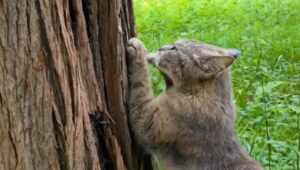
This comprehensive guide will delve into the why behind the behavior, providing a deep arsenal of effective, compassionate, and permanent scratching solutions that protect your belongings while enriching your cat’s life.
Part 1: The “Why” – Decoding the Feline Imperative to Scratch
Before you can solve the “problem,” you must understand that it isn’t one. Scratching is as natural to a cat as breathing or purring. It is a complex behavior driven by multiple powerful instincts.
- Communication and Scent Marking: This is the primary reason. Cats have scent glands between the pads of their paws. When they scratch, they leave behind both a visual mark (the shredded material) and a scent mark that is undetectable to humans but speaks volumes to other cats. It’s a bulletin board announcing, “I was here. This is my territory.” This scent marking makes them feel secure and grounded in their environment.
- Maintaining Claw Health: Scratching serves as vital grooming. It helps remove the dead outer sheath of the claw, revealing the sharp, new claw underneath. This keeps their primary tools for hunting, climbing, and self-defense in optimal condition. An uncomfortable, overgrown claw can cause health issues.
- Physical Exercise and Stretching: Have you noticed your cat always stretches out to its full length when it scratches? This is a full-body workout. It stretches and strengthens the muscles of their shoulders, back, and legs, flexing their feet and digits. It’s a crucial part of their daily routine, especially after a nap.
- Emotional Regulation: Scratching is a powerful emotional outlet. Cats scratch to express a range of feelings, including excitement, happiness, stress, anxiety, or frustration. It’s a way to release pent-up energy and self-soothe. A stressed cat will often scratch more frequently as a coping mechanism.
Punishing a cat for scratching is not only ineffective but also cruel. It doesn’t address the underlying need and only serves to damage your bond and create a more anxious, secretive cat. The solution is always to provide a better, more appealing alternative.
Part 2: The Foundation – Providing the “Right” Scratch
The single most effective strategy is to provide scratching options that are more attractive than your furniture. This involves understanding the four key variables: type, texture, location, and stability.
- Type and Texture: It’s Not One-Size-Fits-All
Cats have individual preferences. Your job is to play detective and discover your cat’s.
- Vertical Scratchers: The most common type. These include classic scratching posts, cat trees with integrated posts, and wall-mounted scratchers.
- Ideal For: Cats who love to stretch fully and scratch the arms of sofas, door frames, and walls.
- Material: Most are covered in sisal rope or fabric, which is highly durable and offers a satisfying texture for digging claws into. Cardboard is another popular, often cheaper, option that many cats adore.
- Horizontal Scratchers: These lie flat on the floor.
- Ideal For: Cats who prefer to scratch on carpets and rugs. Some cats have a natural preference for horizontal scratching.
- Material: Typically made of corrugated cardboard or a sisal mat.
- Angled/Inclined Scratchers: These offer a middle ground, propped up at an angle.
- Ideal For: Figuring out a cat’s preference or for cats who aren’t fussy.
Actionable Tip: Buy or make a few different types of inexpensive scratchers in different materials. Place them near your cat’s favorite “wrong” scratching spots and observe which one they use first. This is their preference.
- Location, Location, Location: The Golden Rule
The most perfectly designed scratching post in the world is useless if it’s hidden in a dark, unused basement. Scratching is a territorial marker, and territory is centered around social hubs.
- Placement is Key: Put scratchers in prominent, socially significant areas: next to the sofa, near a window they look out of, by the bedroom door, or in the hallway they frequently patrol. Cats often scratch when they wake up, so placing a post near their favorite sleeping spot is a great strategy.
- The “Right Next To” Strategy: Initially, place the new scratching post directly in front of or right next to the piece of furniture they are currently targeting. The goal is to provide an immediate, identical alternative. Once they are reliably using the post, you can gradually move it a few inches each day to a more convenient (for you) location, but it should still remain in the same general social area.
- Stability: The Non-Negotiable Factor
A wobbly, shaky, or tipping scratching post is terrifying for a cat. If their “tree” feels like it’s going to fall over on them, they will never use it. Instability triggers their survival instinct.
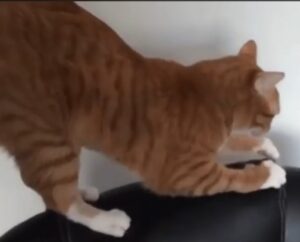
- Test It Yourself: Before offering it to your cat, give the post a firm push. It should not rock, wobble, or tip. For taller posts, a wide, heavy base is essential.
- DIY Reinforcement: If a post is unsteady, weigh down the base. You can use sandbags, a concrete paver (hidden within a fabric cover), or simply screw the base to a larger, heavier piece of wood.
Part 3: The Strategy – Training and Encouragement
You’ve provided the perfect post in the perfect location. Now, how do you get your cat to use it?
- Make It Irresistible:
- Catnip: Sprinkle loose catnip or spray a catnip spray on the scratcher. This is a powerful attractant for most cats.
- Silver Vine & Valerian: These are herbal alternatives to catnip that can be even more effective for some cats.
- Play: Use an interactive wand toy to lead your cat to the post. Drag the toy along the post so they “catch” it there, naturally digging their claws in during the act of pouncing. This creates a positive association.
- Praise and Treats: This is the most powerful tool. When you see your cat using the correct scratching post, immediately reward them with a high-value treat, a happy tone of voice, and petting. They will quickly learn that scratching this object leads to wonderful things.
- Make the “Wrong” Spots Unappealing (Temporarily):
While you are making the right spots attractive, you can make the wrong spots unattractive. Never use anything that could hurt the cat or make them afraid of the area. The goal is to make the texture unpleasant.- Double-Sided Tape: Products like Sticky Paws are transparent double-sided tape. Cats hate the sticky feeling on their paws. Apply it to the arms of the sofa or the corner of the carpet.
- Foil or Plastic: Cover the area with aluminum foil or a plastic carpet runner with the nubby side up. Most cats dislike the sound and feel.
- Citrus Scents: Cats generally dislike the smell of citrus. Wiping a citrus-scented spray or essential oil (highly diluted) on the area can be a deterrent. (Test on an inconspicuous spot first to ensure it doesn’t damage the fabric).
The key is to use these deterrents while the attractive alternative is immediately available. You are not saying “don’t scratch”; you are saying “scratch here, not there.”
Part 4: Addressing Specific Scenarios and Challenges
The Cat Who Only Scrubs the Carpet:
This cat has a clear horizontal preference. Ditch the tall post and get a flat cardboard scratcher or a sisal mat. Place it directly on top of the spot they target. You can also try a horizontal scratcher that has a slight ramp-like angle.
The Cat Who Scales the Door Frames and Walls:
This is a cat who needs to scratch high. A standard 2-foot post won’t cut it. You need an extra-tall, extremely stable cat tree or a wall-mounted scratching system that allows them to stretch their entire body length. Companies like Tuft & Paw, CatastrophiCreations, and others offer modern, wall-mounted scratchers and climbing shelves that satisfy this urge while looking like art.
The Senior Cat:
Arthritis is common in older cats. They may find it painful to stretch up a tall post. For them, a low, stable, horizontal or slightly angled scratcher is essential. Ensure the texture is appealing but not so tough that it’s hard for them to dig their claws into. Cardboard is often a good choice.
Multi-Cat Households:
The rule of thumb is to have one scratching post per cat, plus one extra, placed in different locations. This prevents competition and territorial stress. Ensure there are different types available to suit individual preferences.
Part 5: What NOT to Do – The Road to a Broken Bond
- NEVER Declaw: Declawing (onychectomy) is not a manicure; it is the amputation of the last bone of each toe. It is an ethically controversial, painful procedure that can lead to lifelong physical complications (e.g., nerve damage, lameness, back pain) and behavioral issues (e.g., increased biting, litter box avoidance due to paw pain). It is illegal in many countries and a growing number of U.S. cities and states. It should never be considered a “scratching solution.”
- Never Yell or Punish: Rubbing a cat’s nose in a scratch, yelling, or using spray bottles only teaches your cat to be afraid of you. It doesn’t teach them what to do instead, and they will simply learn to scratch when you’re not looking.
- Don’t Hide the Scratchers: As emphasized, a hidden scratcher is a useless scratcher. It must be where the action is.
From Frustration to Fulfillment
Solving your cats scratching “problem” is a journey of empathy and understanding. It requires us to shift our perspective from seeing a destructive pet to understanding a natural creature expressing a deep-seated need.
By investing in the right equipment—strategically placed, stable, and appealing to your cat’s specific preferences—and using positive reinforcement to celebrate good choices, you can successfully redirect this innate behavior.
The result is more than a saved sofa. It is a happier, less stressed cat who feels secure in its territory. It is a strengthened bond built on trust and positive communication, not fear and punishment.
It is the peace of mind that comes from knowing you have provided an environment that truly meets the needs of the feline member of your family. The sound of scratching will no longer be a source of dread, but a satisfying reminder that you have successfully learned to speak your cat’s language.
This other amazing post, “Guide to Decoding Cat Food Reviews and Choosing the Best Nutrition”, might interest you. Check it out!
I hope you enjoyed this article, which focuses on “The Definitive Guide to Cat Scratching Solutions: Saving Your Sofa and Your Sanity”. You can share your thoughts and experiences with me in the comments section.