
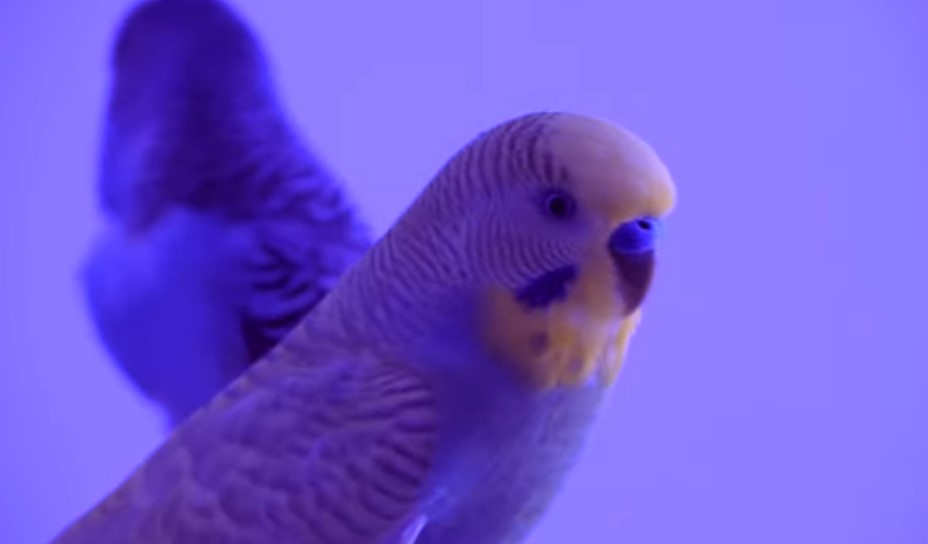
The desire to connect with a bird, to have that wild, free-spirited creature choose to perch on your finger, is a timeless human aspiration. However, the word “taming” is something of a misnomer. It implies a process of domination, of bending a will to your own. In reality, what we seek with our pet birds is not submission, but trust. It is a delicate dance of patience, respect, and understanding—a slow, rewarding journey of building a relationship that transcends the barrier between species.
Whether you have a tiny budgie, a mischievous cockatiel, or an intelligent African Grey, the principles of building trust remain fundamentally the same. This process cannot be rushed. It demands that we shed our human expectations of speed and convenience and learn to operate on “bird time.” This guide will provide a deep dive into the philosophy and practical steps of taming your bird, transforming a nervous captive into a willing and joyful companion.
Part 1: The Foundation: Avian Psychology and the tame a bird Period
Before you even attempt to interact, you must set the stage for success. Tame a bird that is stressed, unhealthy, or feels unsafe will never be in a mental state to learn trust.
- The Pre- tame a bird Checklist:
- The Veterinary Visit: Your first step is a wellness check with an avian-certified veterinarian. An underlying illness can cause irritability, fear, and a general inability to settle. Ensuring your bird is healthy is the non-negotiable first step.
- The Right Environment: The cage is your bird’s fortress, its safe haven. It must be placed in the right location:
- Against a Wall: Never in the middle of a room. Birds feel secure when they have their back protected.
- At Chest Height: Too low feels threatening; too high can subconsciously make a bird feel dominant.
- In the “Heart of the Home”: A quiet corner of a living room or family room is ideal. The bird becomes part of the family’s daily flow without being in the chaos of a main thoroughfare. Avoid kitchens (fumes from Teflon are fatal) and drafty areas.
- The Observation Period: For the first few days (or even a week), do not pressure your bird. Simply go about your routine, speaking to them in a calm, soothing voice. Let them observe you and understand that your presence is not a threat. This is the time for them to settle in and learn the rhythms of their new home.
- Understanding Flight and Fear:
A bird’s primary instinct is to fly away from danger. Your hand, from their perspective, is a giant, five-fingered predator swooping in from above. Every interaction must be designed to counter this primal fear.
- Move Slowly and Predictably: Sudden, jerky movements are terrifying. Practice moving in slow, deliberate arcs.
- Mind Your Body Language: Avoid direct, sustained eye contact initially (a predator stare). Instead, blink slowly and turn your head slightly away, which are signs of non-aggression in the avian world. Approach from the side and at their level, not from above.
- Read Their Body Language: A bird will tell you everything you need to know.
- Fear/Stress: Flattened body, pinned eyes, tense posture, hissing, attempting to flee.
- Curiosity/Calm: Relaxed feathers, soft eyes, head tilting, prepping (a sign of comfort).
- If you see signs of fear, stop and retreat. Pushing past their comfort zone will destroy trust.
Part 2: The Step-by-Step Process of Building Trust
This process can take weeks or months. The timeline depends on the bird’s species, age, and past history. A hand-fed baby will tame a bird faster than a rescued adult with a traumatic past.
Stage 1: Becoming the Source of All Good Things (The Key to Everything)
Your goal is to become synonymous with wonderful, positive experiences. The primary tool for this is food.
- Identify High-Value Treats: Find what your bird absolutely loves. This is often millet spray for small birds, or a piece of walnut, almond, or pine nut for larger parrots. This treat should be reserved exclusively for training sessions.
- Hand-Feeding Through the Bars: Begin by simply offering the treat through the cage bars. Speak softly and hold the treat steady. Let the bird come to you. They may snatch it and retreat. That’s a victory! Celebrate it.
- Hand-Feeding at the Door: Once they are comfortable taking food through the bars, open the cage door and offer the treat at the entrance. Don’t reach inside; let them come to the threshold.
Stage 2: Target Training – The Gateway to Communication
This is the single most powerful tool for taming and training. It uses a small stick (a chopstick works perfectly) to guide the bird without physical force.
- The Concept: You will teach the bird that touching its beak to the end of the stick (the “target”) results in a treat.
- How to Do It:
- Hold the target stick near the tame a bird. Most will curiously investigate it with their beak. The moment they touch it, make a distinct click sound (with a clicker or your tongue) and immediately offer a treat.
- Soon, the bird will understand that “touch stick = get treat.”
- Why It’s Magic: Target training gives you a way to communicate and guide the bird. You can use it to ask them to step up, move around their cage, or even return to it. It empowers the bird to make choices and be an active participant, which builds confidence.
Stage 3: The “Step Up” Command – The Foundation of Handling
The “step up” is the most important command you will teach tame a bird. It is a request, not a demand, for the bird to perch on your hand.
- Using a Perch First: Before using your hand, use a handheld perch or a wooden dowel. Present it gently against the bird’s lower chest, just above the legs, and say “Step up.” The natural reaction for a bird is to step onto the new perch. The moment they do, click and treat.
- Transitioning to Your Hand: Once they reliably step onto a perch, you can begin the same process with your hand.
- The Proper Hand Position: Offer your hand with your index finger extended, like a perch. Approach slowly from the front, at their level.
- Apply Gentle Pressure: Gently press your finger against the lower chest. The combination of the verbal cue “step up” and the physical pressure will prompt them to hop on.
- The Instant Reward: The nanosecond their feet make contact with your hand, click and offer the most amazing treat. Keep the first sessions incredibly short—one step up, treat, and then they can get right off.
Stage 4: Exploring the World Beyond the Cage
Only when your bird steps up reliably and calmly should you consider letting them out.
- Choose a Safe Room: Bird-proof the room first. Close windows and curtains, cover mirrors, turn off fans, and ensure other pets are removed.
- Let Them Choose: Open the cage door and let them come out on their own terms. Use their favorite treat or target training to encourage them to come out.
- The Return Journey: Getting a bird back into its cage is often the hardest part. Never chase them. Instead, make the cage the most appealing place to be. Use target training to guide them back, or show them a high-value treat placed inside their food bowl. The cue “go home” said in a happy tone can become a useful command.
Part 3: Advanced Bonding and Deepening Your Relationship
Taming is not the end goal; it’s the beginning of a lifelong bond.
- Socialization: Once your bird is comfortable with you, gently expose them to different, non-threatening experiences: new perches, different people (one at a time), and various toys. This builds a confident and well-adjusted bird.
- The Power of Foraging: In the wild, birds spend 60-80% of their waking hours foraging for food. Provide foraging toys that make them work for their meals. This provides crucial mental stimulation and prevents boredom, which is a root cause of many behavioral problems like screaming and feather plucking.
- Reading the Room: Pay attention to your bird’s moods. Some days they may be cuddly and want scratches; other days they may be hormonal or tired and prefer to be left alone. Respecting their boundaries is the ultimate sign of trust.
Part 4: Common Mistakes to Avoid
- Flooding: Forcing interaction and not allowing the bird to retreat. This is psychologically damaging and will create a fearful, aggressive bird.
- Punishment: Yelling, spraying with water, or tapping beaks as punishment is utterly ineffective. Birds do not understand punishment. It only teaches them to fear you.
- Inconsistency: Training for 30 minutes one day and then ignoring the bird for the next three undermines all progress. Short, daily, positive sessions are far more effective.
- Skipping the “Small Ask”: Asking for too much too soon. Break every desired behavior into tiny, achievable steps.
The Reward of Patience
Taming a bird is a journey with no definitive endpoint. It is a continuous process of earning and re-earning trust every single day. There is no shortcut. The process itself—the quiet observation, the patient offering of a treat, the joyful moment of a successful “step up”—is where the bond is forged.
The reward for this patience is immense. It is the privilege of witnessing a creature’s true personality unfold. It is the soft chirp of greeting when you enter the room, the gentle preening of your hair, and the profound trust of a bird falling asleep in your hands. You are not taming a wild thing; you are being invited into its world. And that is a connection built on a foundation of mutual respect that will last a lifetime.
This other amazing post, “The Art of the Clean Aquarium: A Comprehensive Guide to Pristine Water and Thriving Fish”, might interest you. Check it out!
I hope you enjoyed this article, which focuses on “The Art of Trust: A Complete Guide to Bird Taming”. You can share your thoughts and experiences with me in the comments section.