
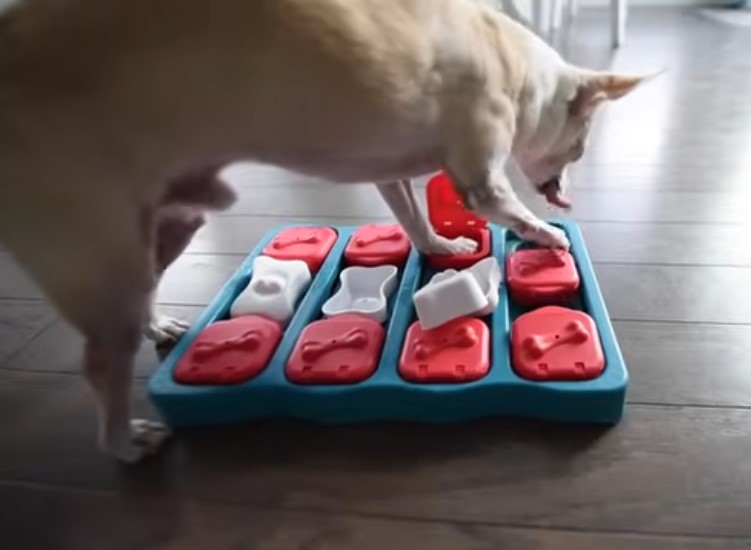
In the world of pet ownership, few things rival the pure, unadulterated joy of watching a DIY dog toys engage in play. The frantic tail wags, the playful pounces, the focused gnawing—it’s a language of happiness that every dog owner loves to speak. However, keeping a dog mentally and physically stimulated can become an expensive endeavor. The pet industry is flooded with an array of toys, from high-tech puzzle feeders to indestructible chew balls, each with a price tag to match.
What if the key to your dog’s next favorite toy wasn’t found in a pet store aisle, but right in your own home? Do-It-Yourself dog toys offer a world of benefits that extend far beyond simple cost savings. They represent an opportunity for creativity, customization, and, most importantly, a deeper bond with your four-legged friend.
This comprehensive guide will explore the profound importance of play, delve into the safety principles of DIY dog toys toy creation, and provide a extensive collection of projects categorized by your dog’s play style. Get ready to unlock a new level of enrichment for your pup.
Why Play Matters: More Than Just a Game
Before we dive into the “how,” it’s crucial to understand the “why.” Play is not a frivolous pastime for dogs; it is a fundamental component of their well-being.
- Physical Exercise: Regular play helps maintain a healthy weight, strengthens muscles and cardiovascular health, and improves overall agility and coordination. For high-energy breeds, play is a non-negotiable outlet for their boundless vigor.
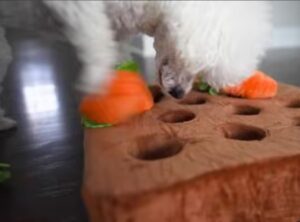
- Mental Stimulation: Boredom is the root of many canine behavioral issues, including destructive chewing, excessive barking, and digging. Play, especially with puzzle toys, challenges a dog’s brain, tires them out mentally, and prevents the development of these nuisance behaviors.
- Bonding and Socialization: Interactive play between a dog and its owner strengthens the human-animal bond. It builds trust, reinforces your role as a fun and rewarding companion, and can even be used to practice obedience commands in a dynamic setting.
- Stress Relief: Play triggers the release of endorphins, the body’s natural feel-good chemicals. This can help alleviate anxiety, reduce stress, and promote a general sense of calm and happiness in your dog.
DIY dog toys amplify these benefits. You’re not just giving your dog a object; you’re gifting them an experience that you personally crafted with their specific needs in mind.
The Golden Rules: Safety First, Always
The most important aspect of any dog toy, store-bought or homemade, is safety. Your creativity must always be guided by these non-negotiable principles:
- Supervision is Mandatory: No DIY dog toys should be given to a dog without direct supervision. You need to be present to monitor for any signs of wear and tear, breaking, or potential ingestion.
- Know Your Dog’s Play Style: Is your dog a gentle retriever, a powerful chewer, or a delicate nibbler? A toy suitable for a light-mouthed Labrador puppy could be destroyed in seconds by a determined Staffordshire Terrier. Always tailor the toy to your dog’s size and chewing intensity.
- Avoid Hazardous Materials:
- Strings & Threads: These can cause serious intestinal blockages if swallowed and pose a strangulation risk. Avoid long, loose strings on any toy.
- Small Parts: Buttons, bells, plastic eyes, or anything small enough to be swallowed must be avoided.
- Toxic Substances: Ensure all materials are clean and free from chemicals, dyes, or residues. Don’t use items that have held harmful chemicals.
- Sharp Edges: Check for and remove any staples, sharp plastic edges, or broken pieces.
- Inspect and Retire: Before each use, inspect the toy for damage. At the first sign of breaking, fraying, or coming apart, retire the toy immediately. The cost of making a new one is zero compared to a potential vet bill.
A Treasury of DIY dog toys Ideas: categorized by play style
Now for the fun part. Here is a collection of DIY dog toys projects, organized by the type of play they encourage.
Category 1: For the Chewer
These toys are designed to satisfy that innate canine urge to gnaw, which helps clean teeth and relieve anxiety.
- The Knotted T-Shirt Rope:
- Materials: 3-4 old cotton t-shirts (100% cotton is best), scissors.
- Instructions: Lay the t-shirts flat and cut off the hem and sleeves. Cut the body of each shirt into 3-4 long strips, width-wise. Gather three strips from different shirts and knot them tightly together at one end. Braid the strips tightly together. When you reach the end, knot it tightly again. You can add more knots along the length for a more interesting texture.
- Best For: Tug-of-war, chewing. Monitor closely for fraying and retire when the braids become loose.
- The Frozen Kong Classic:
- Materials: A Kong toy (or similar rubber hollow toy), dog-friendly food.
- Instructions: This is less “making” a toy and more “enhancing” one. Fill the Kong with a mixture of your dog’s favorite treats. Some great options include: canned dog food, plain yogurt, pureed pumpkin, peanut butter (xylitol-free!), mashed banana, or small pieces of kibble. Use a spoon to pack it in tightly. For an extra challenge, seal the small opening with a dab of peanut butter or yogurt and place it in the freezer for several hours until solid.
- Best For: Mental stimulation, prolonged chewing, keeping puppies busy.
- The Frozen Washcloth Puppy Teether:
- Materials: A clean, new washcloth, water or low-sodium broth.
- Instructions: Soak the washcloth in water or dog-safe broth. Wring it out slightly and twist it into a stick shape. Place it in a freezer bag and freeze until solid.
- Best For: Puppies who are teething. The cold numbs their sore gums. Supervise closely to ensure they don’t tear off and swallow pieces of the cloth.
Category 2: For the Problem Solver (Puzzle Toys)
These toys engage your dog’s brain, making them work for their food and satisfying their natural foraging instincts.
- The Muffin Tin Puzzle:
- Materials: A muffin tin, tennis balls or other small balls, small treats or kibble.
- Instructions: Place a few pieces of kibble or treats in several of the muffin tin’s cups. Place a tennis ball over each cup. Present the tin to your dog and watch them figure out how to nudge the balls away to reveal the hidden treasure.
- Best For: Beginner-level puzzle solving. It’s excellent for teaching dogs to use their nose and paws.
- The Bottle Blitz:
- Materials: A clean, empty plastic water bottle (label and plastic ring removed), a sharp knife or scissors, kibble.
- Instructions: Use the knife or scissors to carefully cut a few holes in the sides of the bottle, just large enough for kibble to fall out when rolled. Place a handful of kibble inside the bottle and screw the cap on tightly. Give the bottle to your dog and let them bat it around to dispense the food.
- Best For: Dogs who enjoy batting things around. Supervise closely and remove the toy at the first sign of the bottle being punctured or chewed. Remove the cap when finished, as it is a choking hazard.
- The “Find It” Box:
- Materials: A small cardboard box, crumpled newspaper or junk mail, treats or kibble.
- Instructions: Place a handful of treats at the bottom of the box. Loosely crumple sheets of newspaper and fill the box on top of the treats. Encourage your dog to dig through the paper to find the food. You can make it harder by using a box with a loosely closed lid.
- Best For: Engaging the powerful sense of smell and satisfying digging urges in a controlled way.
Category 3: For the Fetcher & Chaser
These toys cater to the dog who lives for the thrill of the chase and the joy of the retrieve.
- The Simple Sock Ball:
- Materials: 1-2 old socks (check for holes!).
- Instructions: Take one sock and roll it into a ball. Take the second sock and stretch the opening over the first sock ball, encasing it completely. This creates a simple, soft ball that’s easy to throw and gentle on a dog’s mouth.
- Best For: Gentle-mouthed dogs who enjoy fetch indoors. Not for powerful chewers.
- The Tennis Ball Tug:
- Materials: 1 tennis ball, 1 old bandana or strip of fleece fabric (about 2 feet long).
- Instructions: Use a sharp knife or scissors to carefully cut a small “X” into the tennis ball. Twist one end of the bandana or fleece strip into a point and push it through the “X” into the center of the ball. You should have a ball with a long fabric tail. This creates a unique toy that can be thrown or used for a gentle game of tug.
- Best For: Fetch and light tug-of-war. Ensure the fabric is secure and monitor for any damage to the ball.
Category 4: For the Tugger
Tug-of-war is an excellent game for building impulse control and strengthening your bond, provided it’s played with rules.
- The Braided Fleece Tug:
- Materials: Fleece fabric (½ yard makes a large toy), scissors, a ruler.
- Instructions: Fleece is ideal as it doesn’t fray. Cut the fleece into long strips, approximately 3-4 inches wide and 3 feet You will need three strips. Knot the three strips together tightly at one end. Anchor the knotted end (e.g., to a door handle) and braid the strips tightly together. Knot the end tightly. For a more complex toy, use more strips or different colors.
- Best For: Tug-of-war. Very durable for moderate chewers.
- The Denim Dragon:
- Materials: 2-3 old pairs of jeans, scissors, a ruler.
- Instructions: Cut the legs of the jeans into long strips, about 2 inches Denim is sturdy but will fray slightly, which adds texture. Take 6-8 strips and hold them together. Tie a very large, tight knot in the center of the bundle. This will create a knot with many “tails” coming out of it, resembling a strange creature. The multiple tails provide different gripping points for tugging.
- Best For: Dogs who love a sturdy, textured tug toy.
Beyond the DIY dog toys: The Art of Play Itself
Creating the DIY dog toys is only half the journey. How you use it defines the experience.
- Rotate Toys: Don’t leave all toys out all the time. Have a “toy box” and rotate a few toys every few days. This keeps things novel and exciting, making an old toy feel new again.
- Incorporate Training: Use play as a reward. Ask for a “sit” or a “down” before throwing the ball. This reinforces obedience in a fun context.
- End on a Positive Note: Always finish a play session while your dog is still engaged and happy. This leaves them wanting more and prevents frustration. A simple “All done!” cue signals the end of play.
- Know When to Stop: If your dog gets over-aroused, overly mouthy, or protective of the toy, calmly end the session. Play should always be positive and controlled.
The Joy of the Handmade
In a consumer-driven world, the act of creating something with your own hands for a loved one is profoundly satisfying. DIY dog toys are more than just a budget-friendly alternative; they are a testament to the care and thought you put into your dog’s happiness. They allow you to customize play to your dog’s unique personality, turning a simple afternoon into an adventure of your own making.
So, before you click “add to cart” on that expensive toy, take a look in your laundry basket, your recycling bin, and your craft drawer. With a little creativity and a steadfast commitment to safety, you can build a treasure trove of fun that will keep your dog’s tail wagging, their brain working, and your bond growing stronger with every game you play.
This other amazing post, “The Art of Trust: A Complete Guide to Bird Taming”, might interest you. Check it out!
I hope you enjoyed this article, which focuses on “Pawsome Play: The Ultimate Guide to DIY Dog Toys for a Happier, Healthier Hound”. You can share your thoughts and experiences with me in the comments section.